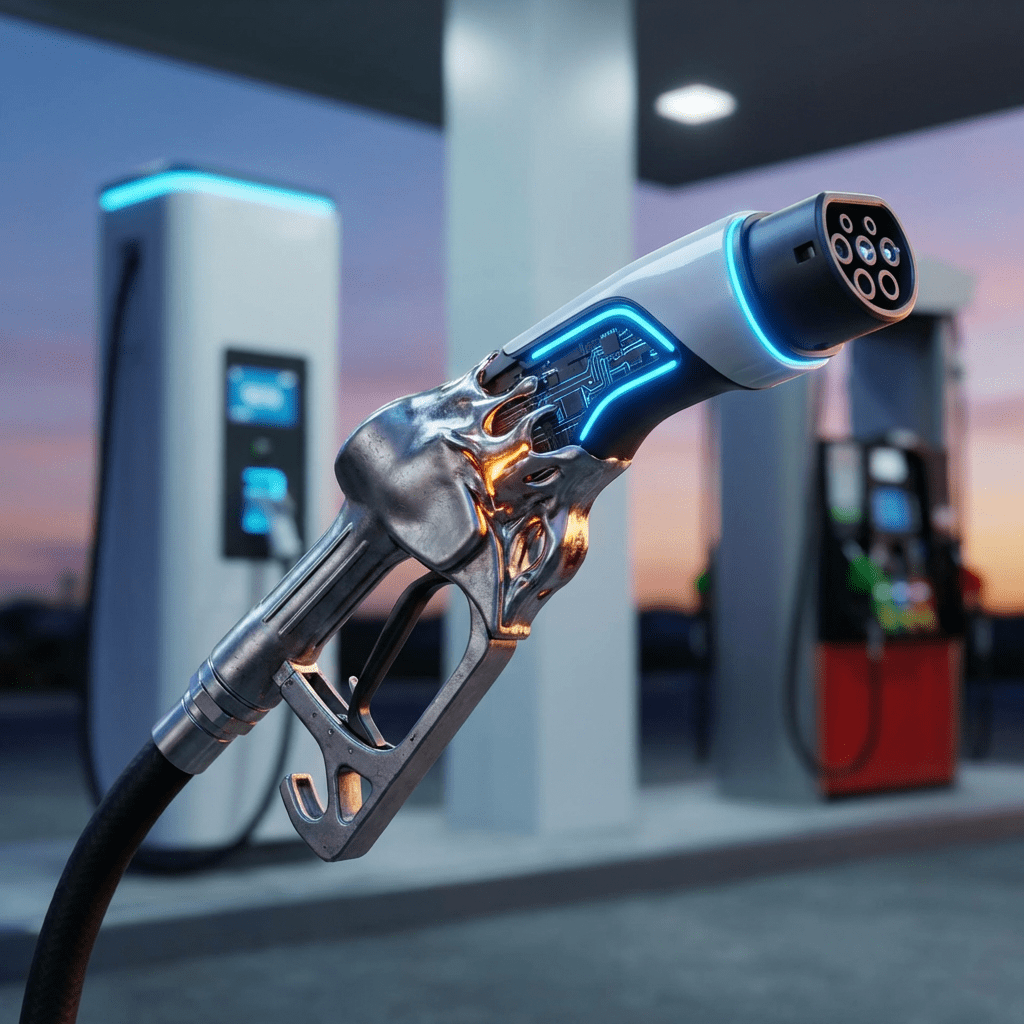
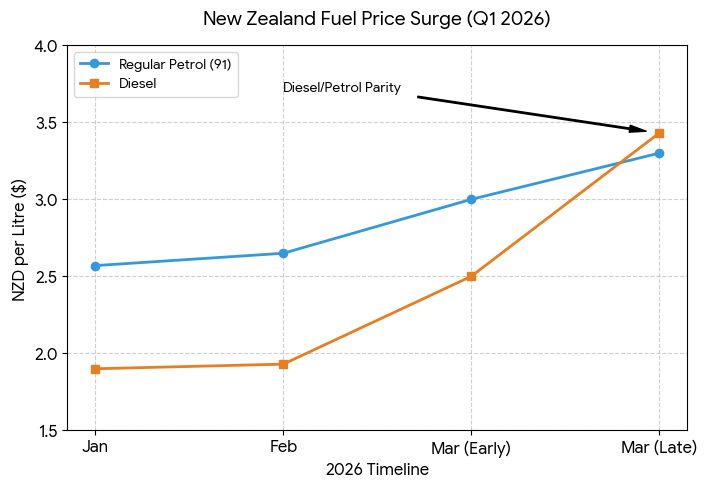
There is a market frenzy going on in regards with electric cars at the moment driven by the ongoing carnage at petrol pumps worldwide and New Zealand is no exception. The current fuel prices here have almost doubled in the case of diesel affecting the commercial and industrial fleet and petrol prices have risen by around a third so far. As of today, April 1, 2026, diesel prices have risen to NZ$3.54 per litre from around just under NZ$2 at the end of February when bombs started falling in parts of West Asia, as result of which oil supplies from the Gulf regions got disrupted. 91 Unleaded petrol is now selling for an average price of $3.42 around the country, moving up from $2.75 a month back.
Graph below: A chart showing the price trends of 91 Unleaded Petrol and Diesel (Source: Google)
Surge in Electric Vehicle Enquiries
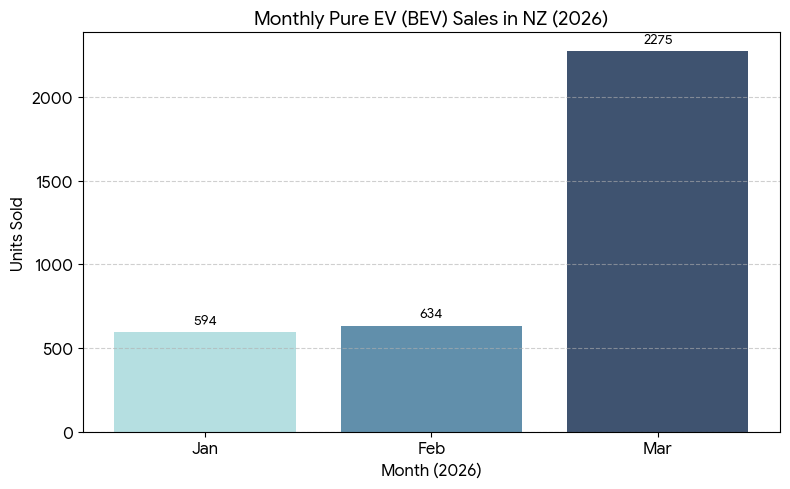
In mid-March BYD NZ reported a record sale of 80 vehicles on a single day which is equivalent to a tenth of their usual yearly target in New Zealand. BYD’s local line up consists of fully electric or plug-in-hybrid vehicles only. Due to the surge in fuel prices this increase in uptake was not totally unexpected.
Potential car buyers are also sending in a lot on enquiries through various social media channels like TikTok, Facebook and Instagram. As with any adverse situation, people are eager and anxious about how the rise in fuel prices will affect them personally. They are also trying to get up to speed with the basics of electric cars and technical jargons that they should be aware of. Importantly, how do they compare with their current cars in terms of running costs.
Graph below: EV sales figures in New Zealand in the first quarter (Source: Google)
Don’t Rush. Its Not Rocket Science
Although EVs have been around for a while now, there are some basics that people may not have really put their heads into – because they thought they didn’t need to. Due to this rapid rise in fuel prices many folks are now trying to play catch up. As far as technology goes, EVs are very different from the regular petrol or diesel cars and the main difference is their source of power. A high voltage battery makes an electric car move compared to an engine that everyone is familiar with. If you want to get some more information on EV batteries you can read my post here. You can skip this if you want and move on to understanding the basics of electric cars.
Categories of electric vehicles
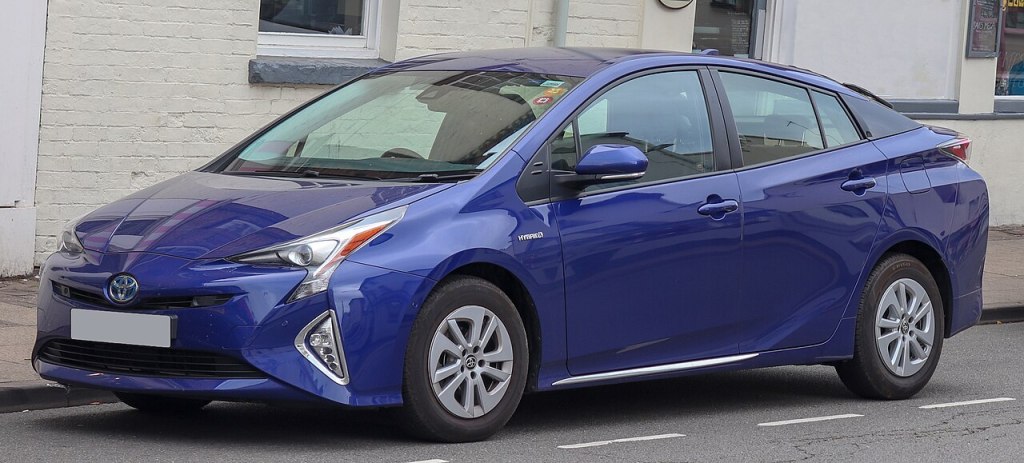
Hybrid Electric Vehicles (HEV) – Commonly these are referred to as ‘hybrids’. They are all around you and the most common one is the Toyota Prius which make up for most of your Uber taxis. This type of vehicle has a conventional engine that provides the main power and a small battery that supplements the engine’s power with a boost. The battery in these vehicles get charged automatically by the car and there is no need to plug into an external source of power. Almost every brands now have hybrids.
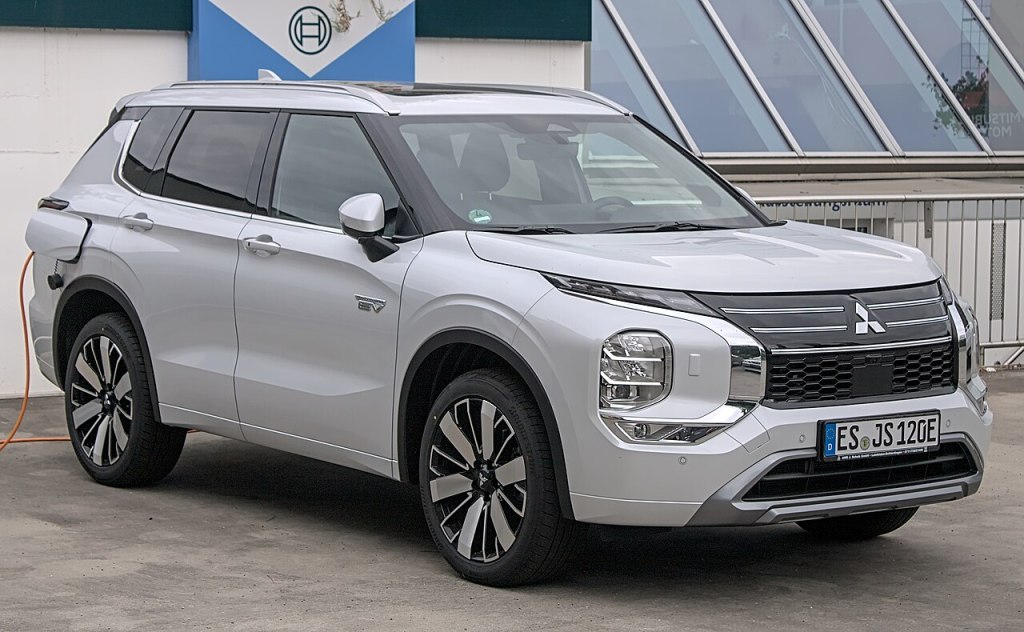
Plug-in-hybrid Electric Vehicle (PHEV) – Commonly referred to as ‘Phevs‘ or ‘plugins‘, this type of electric cars have everything a HEV has but its battery slightly bigger and it comes with a plug that needs to be plugged into a wall socket to be charged. Not all brands have PHEVs. Mitsubishi has been one of the leaders in this type.
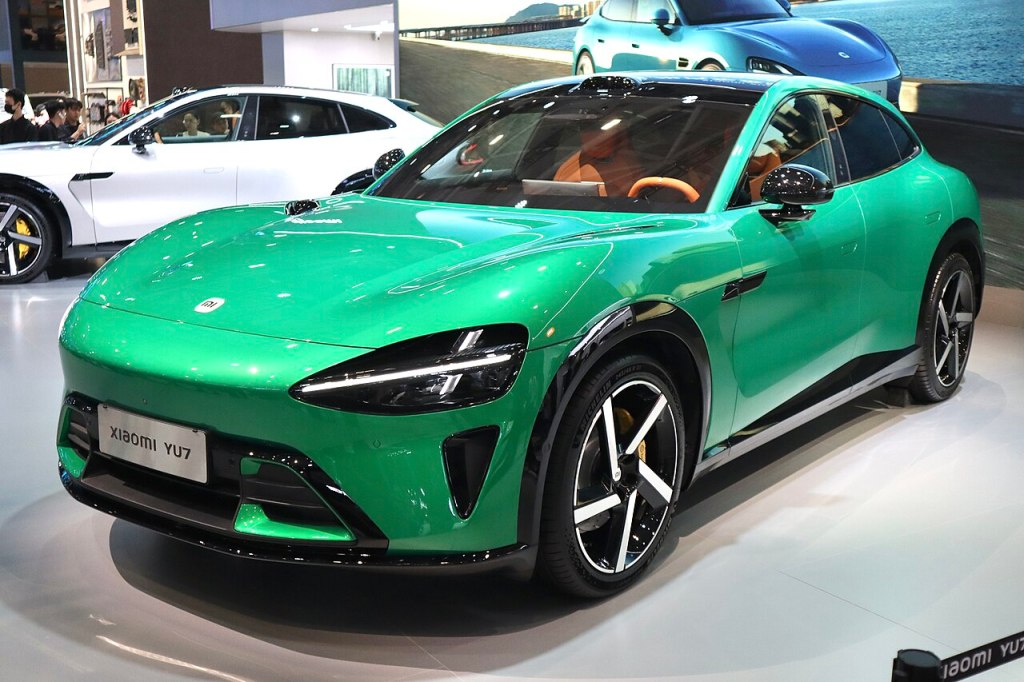
Battery Electric Vehicles (BEV) – Commonly referred to as ‘evs‘, ‘electric cars‘ or ‘fully electric cars‘, these are completely different from the above two types as they do not have any engine. They have a much larger battery as it is the sole supply of power to the vehicle and of course they have to be plugged in to be charged. There are some brands like Tesla which only make EVs and other like BYD have a spread of EVs and PHEVs.
Images below: Toyota Prius (HEV), Mitsubishi Outlander (PHEV), Xiaomi YU7 (BEV) / Source: Wikipedia
In the next part, I will discuss how these types of vehicles compare with petrol and diesel cars taking into account battery charging, paying for road user charges, insurance, warranties and depreciation. Stay tuned.
Sources:
Gaspy – https://www.gaspy.nz/stats.html
EVDB – https://evdb.nz/ev-stats
Driven Car Guide – https://www.drivencarguide.co.nz/news/byd-nz-sells-80-plug-in-cars-in-a-day-high-fuel-prices-pushing-people-towards-evs/


Leave a comment