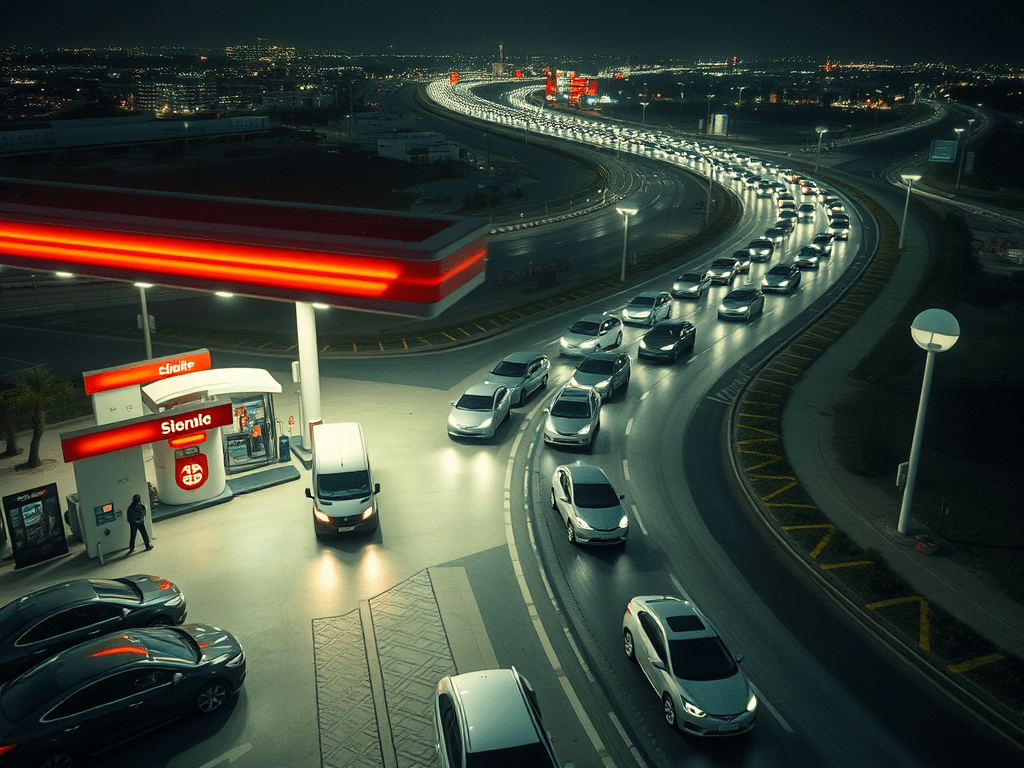
The war in Iran has raised some tough questions like – are we over exposed to our dependancy on fossil fuel? It seems so, at least for the transport sector which relies on petrol and diesel for its entire fleet, well almost. While diesel prices have doubled in the last few weeks, petrol prices have increased by a third. Because New Zealand currently sits at the bottom of the EV adoption rates among countries worldwide it makes us rather vulnerable. While moving towards an EV adoption rate like in Norway seems like a very far cry (96% of new car sales are electric), New Zealand is lagging behind emerging markets like Ethiopia where recent data suggests 60% of all new car registrations were EVs.
Why Is Ethiopia Significant?
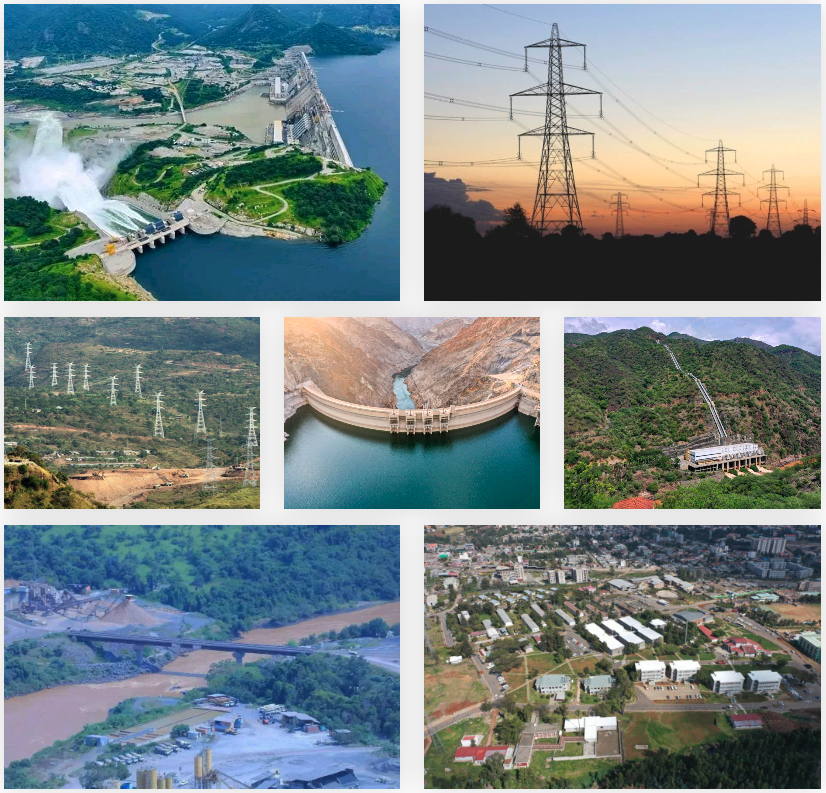
For context, Ethiopia is about four times larger than New Zealand in land mass with a population of about 140 million, which is roughly twenty-five times that of New Zealand’s. It is one of Africa’s fastest growing non-oil-dependant economy growing at 8-10% annually. The economy is about two-third the size of NZ’s with a GDP (nominal) of $150 Billion as compared to $260 Billion over here in Aotearoa, although with a much lower per capita income of $3,288 as compared to our $55,625. Where the two countries are very similar are – their dependance on renewable energy sources for electricity generation. Ethiopia generates almost 100% of its power from hydro and wind. Similarly New Zealand generates 85-90% of its energy from renewable sources like hydro and geothermal according to 2025 estimates. The currently installed capacity is 8 Gw in the former and 10.3 Gw in the latter.
Images below: Ethiopia’s fast expanding hydropower projects (Source: Ethiopian Electric Power)
Why Is This Relevant Today?
In 2023, Ethiopia had an external debt default and the International Monetary (IMF) Fund provided a bail out package of US$3.4 Billion. As a result of this Ethiopia had to make some really firm policy choices that would cut down the exchequer’s costs drastically. In order curb the rising cost of fuel imports which roughly accounted for half of the country’s import bill, Ethiopia introduced the Electric Vehicle Import Mandate and ICE Vehicle Ban on January 29, 2024. It was the first country to ban the import of all fossil fuel vehicles. This was done in a phased manner starting with raising import costs of ICE vehicles to 200% and by slashing import duties on electric vehicles to 0% for locally assembled vehicles and 15% for fully imported ones. This led to a rapid adoption of EVs going from of 1% in 2024 to 8.3% in a couple of years.
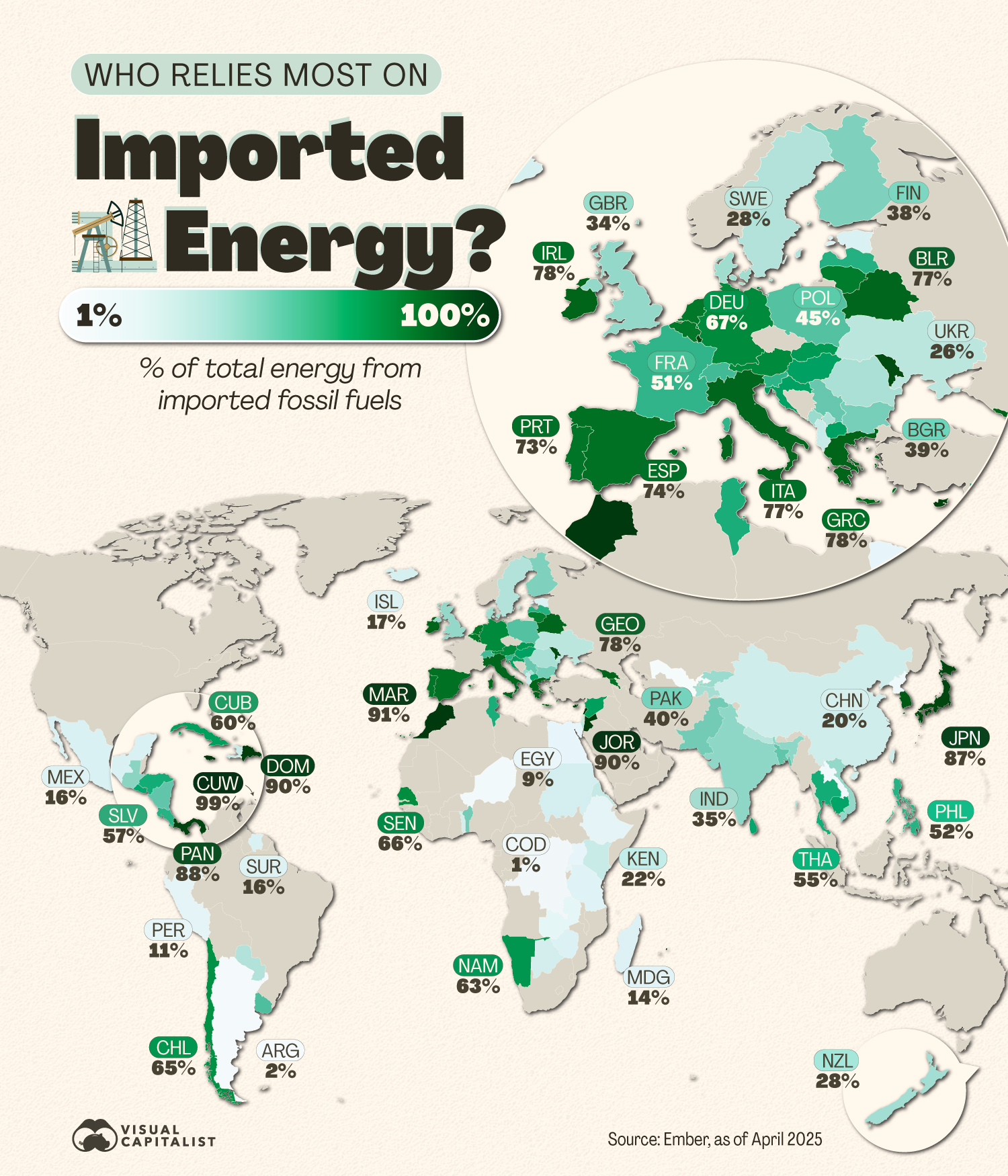
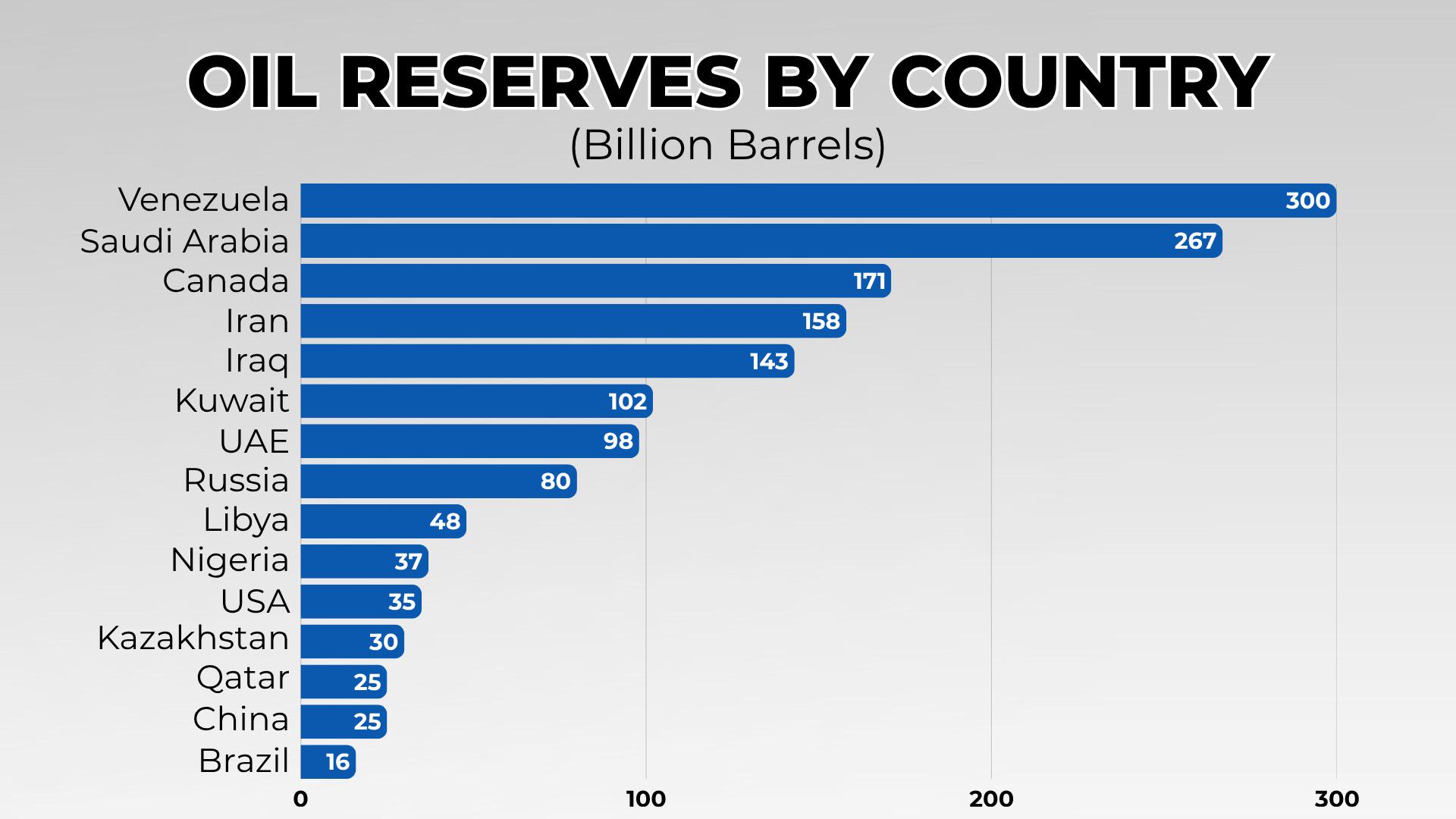
The current crisis in the Middle East that involves countries supplying 20% of the world’s crude oil has suddenly exposed the stark dependency that every country has on fossil fuel for a bulk of their energy supply needs. The war that started between United States, Israel and Iran on February 28, 2026 has within three weeks, started to directly affect nine other countries in the region, namely – Bahrain, United Arab Emirates, Kuwait, Oman, Qatar, Iraq, Jordan, Cyprus and Saudi Arabia. This includes all the oil producing countries that form the GCC or Gulf Cooperation Council.
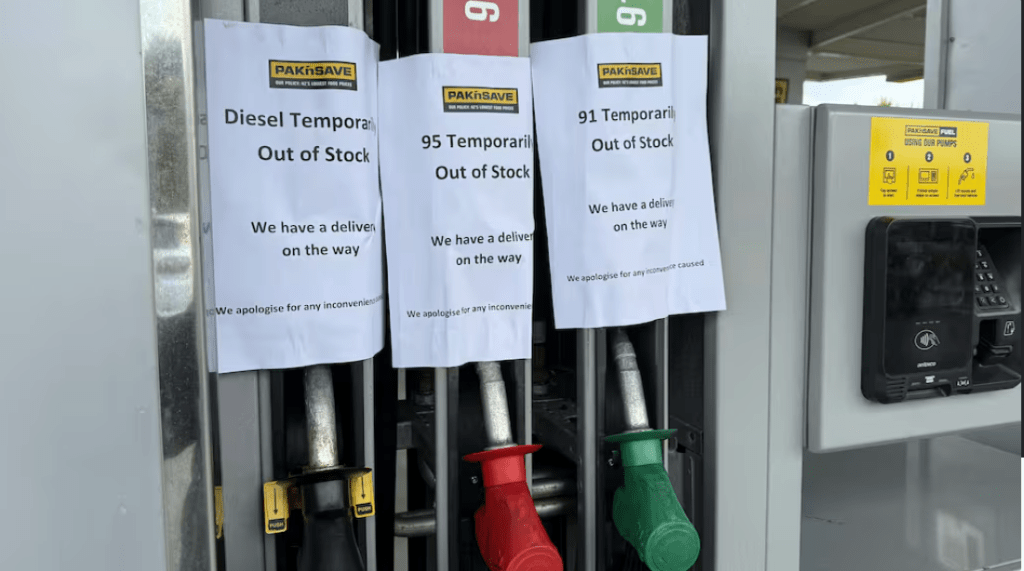
New Zealand signed a Free Trade Agreement with the GCC in 2024 that was called the NZ-GCC FTA, aimed at opening up the region’s market to industries in New Zealand. But, trade agreements do not ensure free flow of goods during war time. New Zealand’s refined oil is sourced from South Korea, Japan and Singapore. These countries import their crude from the GCC nations and in the light of the ongoing conflict their supplies have been interrupted indefinitely. NZ’s transport and agriculture sector rely heavily on fossil fuel and sadly the cost of fuel has seen a 34% increase in petrol and 78% increase in diesel as of today, and will see further increase in the coming weeks most certainly. This will lead to a knock on effect on the price of transport, services and commodities. Thus, suggesting that in theory, New Zealand could be relatively more exposed to this crisis due to its complete reliance on fossil fuel for transportation, as compared to a country like Ethiopia which could have less reliance currently or in near future.
Image below: Fuel shortage seen at a pump in Wellington, New Zealand on March 20, 2026 (Source: 1News)
The Way Forward?
New Zealand’s decision to abandon all incentives for the adoption of alternate energy in 2024 could now be debatable. The current government also introduced road user charges (RUCs) for all electric vehicles (BEV) and plug-in-hybrid vehicles (PHEV) in 2024, thereby increasing the running costs of such vehicles effectively making it costlier for anyone planning to make the switch from an internal combustion engine (ICE) vehicle. The justification for discontinuation of the Clean Car Rebate was that, there were enough EVs in the second hand market making adoption more affordable for most buyers, which is true to some extent but does not show the complete picture. By adding a road user charge to EVs and announcing that New Zealand will consider getting rid of the Clean Car Standard, the government suggests its policies are not very favourable towards adoption of alternate energy vehicles. Some would even suggest, that by abolishing the CCS, New Zealand would encourage dealers to import ICE vehicles that rely heavily on diesel. Any car dealer or distributor planning to place an order for a vehicle consignment would likely take into consideration the current policy environment of a government they are operating in because they involve large investments. What they order would also shape what they would promote. In 2021, Ford left India after 25 years of operation, shutting two factories and laying off 4000 employees. This was partly because of the tax regime in India that favoured certain types of manufacturers and negatively impacted the profitability of Ford’s product lineup. So, my point is that the private sector is heavily dependant on the government of the day to make a product successful and unfortunately New Zealand does not currently have policies that are favourable to promote alternate energy vehicles.
Mentioned are examples of how some countries are actively making policies that would reduce their dependancy on fossil fuel. New Zealand has very recently announced an initiative for installing a mix of 2,574 new fast DC chargers and slower AC chargers across the country. It is a step in the right direction, but many feel, it is too late and too little.
Workplace Charging Scheme (UK) – Funds 75% of purchase and installation costs of 40 sockets in commercial setups.
Sustainable Energy Authority Of Ireland (SEAI) Grants – Variety of grants for private or commercial purchase of electric vehicles and chargers.
ADVENIR Program (France) – Funding for electric vehicle public chargers.
Land Transport Authority (LTS) Singapore Charger Grants – Grants for private and commercial charging infrastructure.
New Electric Car Grant (Sweden) – Monthly grant to income-tested households for acquiring an EV.
Accelerating To Zero Coalition (Austria) – Grants for private and public charging infrastructure.
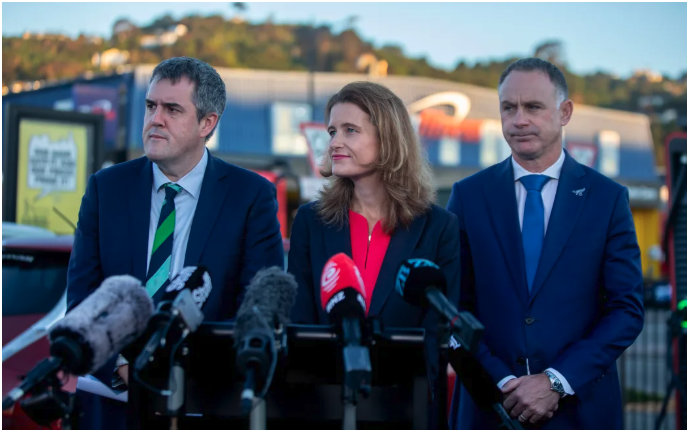
Image below: New Zealand’s Transport Minister Chris Bishop, Finance Minister Nicola Willis and Energy Minister Simon Watts announce the government’s NZ$52.7 million interest free loan towards public charging infrastructure on 23 March, 2026 (Source: RNZ)
Summary
It is not an easy task for any country to move out of their dependance on fossil fuels overnight as all parts of our lives are so heavily connected to products and services that are derived out of these. The current shortage of fuel has quite naturally got people and governments worldwide to plan contingencies during disruptions. As the world becomes more and more complex geo politically it is expected that we will need to get used to supply shocks whether it is oil or rare earths or even grains like rice and wheat. The only way to ensure minimum impact on our daily lives is to create maximum resilience – as a people, and as a nation.
Infographic below: A diagrammatic representation of countries based on their dependancy on imported fossil fuel (Source: Visual Capitalist) / A graph showing oil reserves worldwide (Source: Reddit)
Sources:
RNZ – https://www.rnz.co.nz/news/top/590328/50m-plan-to-double-the-number-of-public-ev-chargers
Climate Policy Database – https://climatepolicydatabase.org/policies/electric-vehicle-import-mandate-and-ice-vehicle-ban
Wikipedia – https://en.wikipedia.org/wiki/Ethiopia#Economy
Wikipedia – https://en.wikipedia.org/wiki/Gulf_Cooperation_Council
Review Of African Political Economy – https://roape.net/2025/10/22/borrowing-from-ones-mother-ethiopia-and-the-imf-across-two-administrations/
Ethiopia Electric Power – https://www.eep.com.et/?article=ethiopia-emerges-as-africas-renewable-energy-powerhouse-through-bold-hydropower-and-wind-initiatives
Africa Energy Portal – https://africa-energy-portal.org/blogs/ethiopia-energy-sector-too-much-focus-hydro
Energy Capital Power – https://energycapitalpower.com/ethiopia-nears-100-renewable-energy-generation/
NZTA – https://www.nzta.govt.nz/vehicles/clean-car-programme/clean-car-discount-ended-on-31-december-2023
Gaspy – https://www.gaspy.nz/stats.html
Visual Capitalist – https://www.visualcapitalist.com/mapped-the-countries-most-dependent-on-imported-fossil-fuels/
Accelerating To Zero Coalition – https://acceleratingtozero.org/signatories/austria/
Land Transport Authority Singapore – https://www.lta.gov.sg/content/ltagov/en/industry_innovations/technologies/electric_vehicles/charger_grants.html
Gireve – https://www.gireve.com/advenir-program-renews-its-partnership-with-gireve/
Chargenode – https://chargenode.eu/en/blogg/nya-elbilspremien-med-start-i-mars-2026-det-har-behover-du-veta
SEAI – https://www.seai.ie/grants/electric-vehicle-grants/grant-amounts
UK Government – https://www.find-government-grants.service.gov.uk/grants/workplace-charging-scheme-2
Al Jazeera – https://www.aljazeera.com/economy/2021/9/9/bb-ford-motor-bails-on-india-will-shut-car-factories-there


Leave a comment