In the first part, I discussed types of EV batteries found on modern electric vehicles, outlining their battery chemistry and key characteristics. I explained how there are misconceptions about EVs being susceptible to battery fires and pointed out how government data from different parts of the world actually prove otherwise. Some EVs may even be safer than their ICE (internal combustion engine) counterparts. Having been built on platforms that have been developed from scratch allowed many EV makers the opportunity to implement fresh design thinking.
In this post I will take a closer look at how EVs make sure that you as the driver, or occupant of the car is safe at all times. Also, like your mobile phone, if you imagine an electric vehicle is an electrical device with a battery, what could possibly go wrong and what technology does manufacturers use to make sure that nothing does go wrong. Let’s dive in.
CAR SAFETY THEN AND NOW
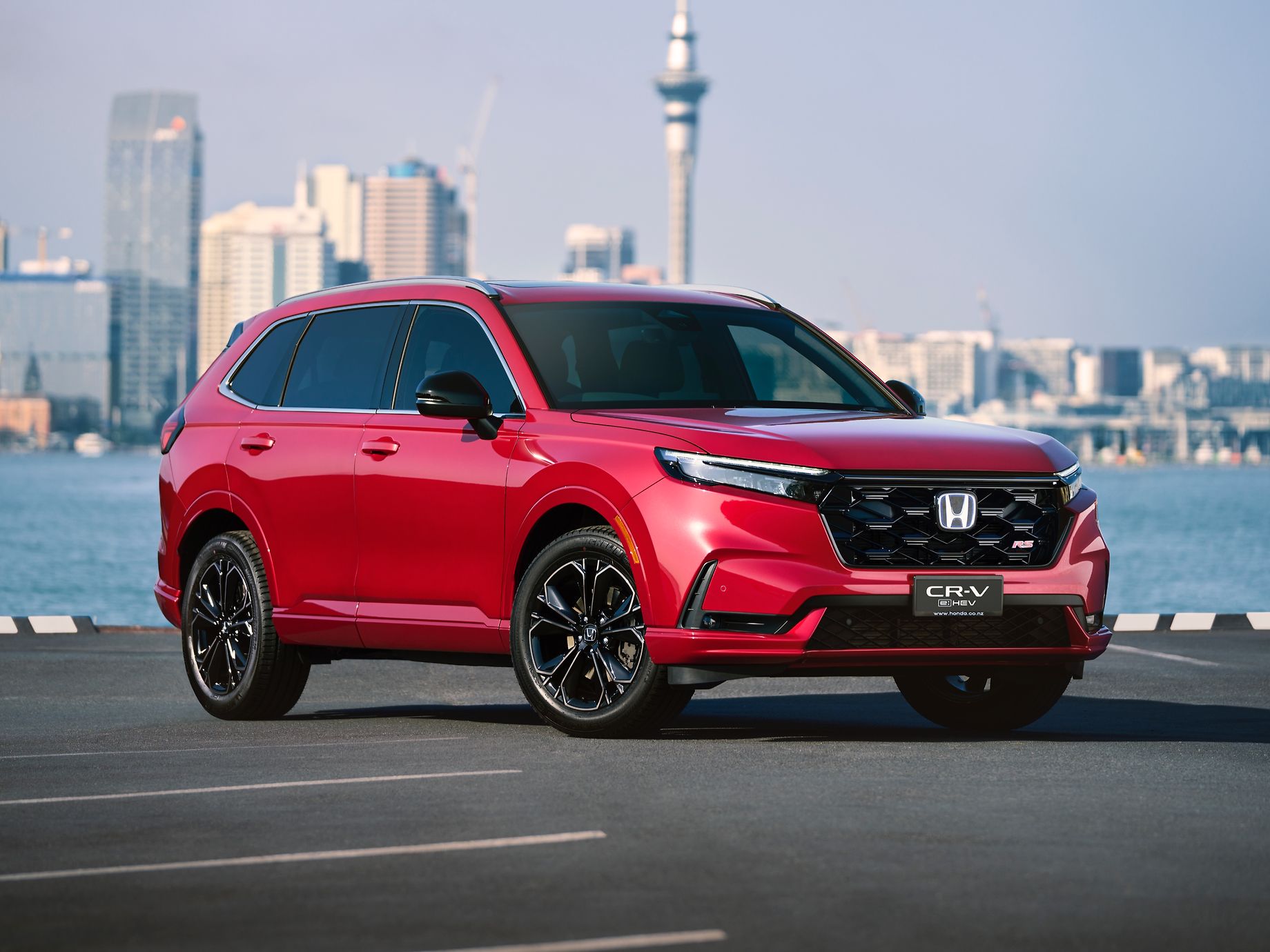
If you compare a 2015 Honda CR-V with a 2025 model (see images below representing the two models), you would see they don’t look radically different from each other and when it comes to safety systems much remain the same.

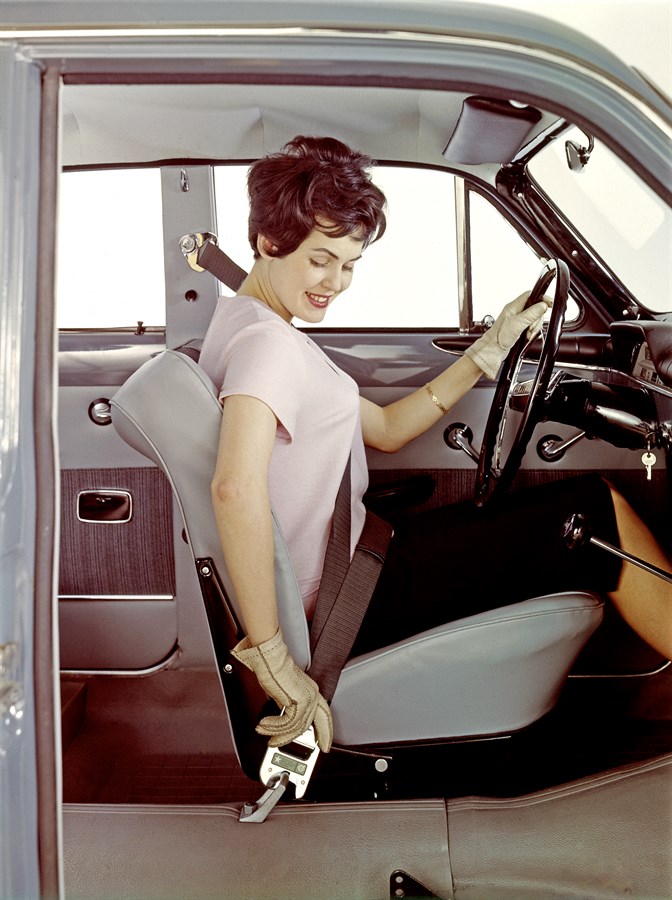
The 2015 CR-V came equipped with a host of passive safety systems like airbags, pre-tensioned seatbelts and crumple zones that are designed to absorb impacts during crashes. It also came with a host of active safety systems like Autonomous emergency braking (AEB), Lane departure warning (LDW) and Lane keeping assistance (LKA). Passive safety systems go back to the 1950’s with Swedish engineer Nils Bohlin inventing the three-point-seatbelt that was first introduced in the 1959 Volvo Amazon. It was the first passenger car to offer three-point seat belts as standard (images below). Fun fact: Volvo which held the patent for the seatbelt technology decided to make it freely available to all carmakers as they didn’t want to monetise something that would save lives.

While passive safety systems were created mainly to protect the driver and other occupants of a car in the event of an accident, active safety systems use cameras, radars and other kind of sensory devices to prevent accidents and also minimises the risk of pedestrians being harmed in the case of an accident. A study reveals 20 pedestrians are killed everyday in the U.S. from being hit by a vehicle. The same study suggests the design and size of the car could play a role in minimising the chances of pedestrian fatalities. Below you can see how active safety systems have slowly become integral parts of a modern car.
Electronic stability control (ESC) – The ESC is an on board computer in a car that is capable of applying brakes on individual wheels when it senses the car is losing traction as a result of understeer or oversteer. Toyota and Mercedes Benz were among a handful of automakers that have been associated with this technology since the early 80s. Below is a photo of a 1987 Toyota Crown that was one of the first cars had a traction control system.

Adaptive cruise control (ACC) – In the early 90’s Mitsubishi, Toyota and Mercedes Benz offered some form of autonomous driving by introducing different versions of adaptive cruise control that allowed the driver to maintain a fixed distance from the car that was in front of them. This was done with the use of LIDAR and radar based technologies. Subaru was the first automaker to introduce a camera based system. Although these systems could decelerate the car to maintain a safe distance they were not capable of safely bringing the car to a stop if a collision was imminent.
Autonomous braking – Commonly referred to as Autonomous emergency braking or AEB is an intelligent system that can sense an imminent collision and automatically apply the car’s brakes. As per the Guinness Book of World Records, Volvo once again had a first to its name by introducing the collision avoidance and pedestrian detection systems between 2008 and 2010 in XC60 and S60 models respectively. These systems used a combination of lasers, cameras and radars to slow down a vehicle to a complete standstill on detecting potential collision with other objects or people.
FUTURE OF CAR SAFETY
While using active safety systems in cars are gradually becoming a second nature to us, giving away complete control to the car is still something we may not be ready for, just yet. Yes, I’m talking about fully autonomous driving vehicles. Taking away control from the driver and depending on sensors to drive the car may make out roads safer to some extent as a computer is less likely to get distracted, or affected by alcohol or get over excited and drive recklessly. To visualise this think of our skies, where thousands of aircrafts operate everyday guided by computers and ‘autopilot‘ technology. When was the last time you heard of a mid-air collision? Think about it.
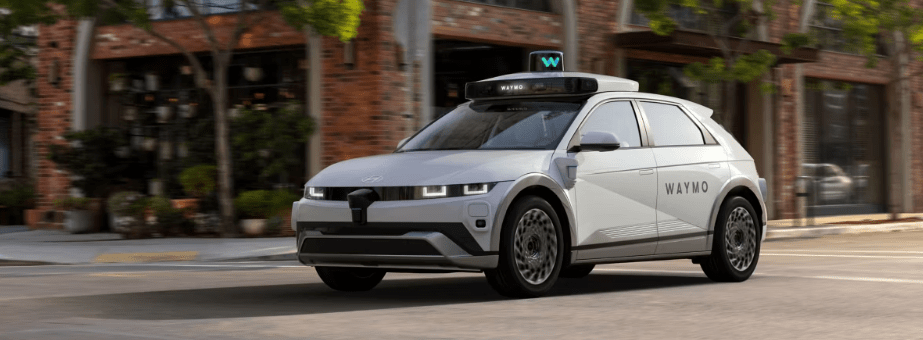
So, how far are we from adopting to driverless cars? Let’s look at some obvious questions that it raises – are there enough of these on our roads. As of today, very few. Waymo, a company backed by Google’s parent company Alphabet offers a ride sharing taxi service in parts of the US using fully autonomous vehicles. As per a report published last year the company claimed to have completed 250,000 trips last year. They have plans to tie up with Uber and offer the same service though Uber’s platform. Below is an image of a Waymo integrated Hyundai Ioniq 5 EV.
Despite rapid progress being made in the adoption of driverless cars, there are concerns regarding the safety and viability of such a technology on our roads, where largely, vehicle traffic is not fully or even partially automated. With a lot of old cars still on our roads it may take decades for fully autonomous driving to gain a critical mass. As per this report the average age of cars in New Zealand is around 15 years which means most of these cars would rely on passive safety systems only.
Other hurdles for autonomous driving include regulatory and legal ones. New Zealand does not legally require a car to have a driver to be able to operate on the road. As per the country’s transport ministry a study is being conducted to look at the viability of autonomous vehicles. Things can get sticky in the case of an accident though. Recently a court in the US has directed Tesla to pay USD 240 million to the victim and families of a crash involving a Tesla vehicle that was using its Full Self-Driving (Supervised) technology. With the introduction of more self driving vehicles it is expected that governments will take more active part in regulating and legalising vehicles that use autonomous tech.
SUMMARY
Electric vehicles are introducing new ways of driver and passenger thinking that we have not seen before. This is because EV manufacturers like Tesla and BYD have wiped the slate clean when it comes to car manufacturing. Such a fresh perspective into vehicle design will offer solutions that we may not have seen in the past few decades. It is therefore an exciting time to be a driver, a passenger or even a pedestrian. Electric vehicle prices are already at or near parity with their petrol or diesel counterparts in the new car market and one would imagine that more and more people would be able to access newer and safer driving technologies in the coming years.
Disclaimer: This report is based on the personal assumptions of the author, taking into account data available publicly from online sources. The author does not take any responsibility for the accuracy or authenticity of the data that have been attributed to their respective owners.
You can contact the author of this post – Indranil Bhattacharya on reachout@kilowattchronicles.blog


Leave a comment