
While having a general conversation about electric cars with a friend, it occurred to me that many folks are still under a few misconceptions about EVs when he mentioned – “EVs can catch fire that cannot be put out.”
I will begin with explaining the common battery types used in electric cars and touch upon their key benefits and shortcomings. I will then address the safety concerns that surround EV batteries, some of which, in extreme cases, have lead to a fire. Such occurrences are rare but not totally impossible. Without further ado, let’s start!
BATTERIES THAT POWER YOUR ELECTRIC CARS
The most common type of battery found in electric cars are based on lithium that is a silvery white metal, found relatively in abundance. However, extraction of lithium is a labour intensive process. A few countries invest in lithium mining more than others. These include China, Australia, Chile and Bolivia.
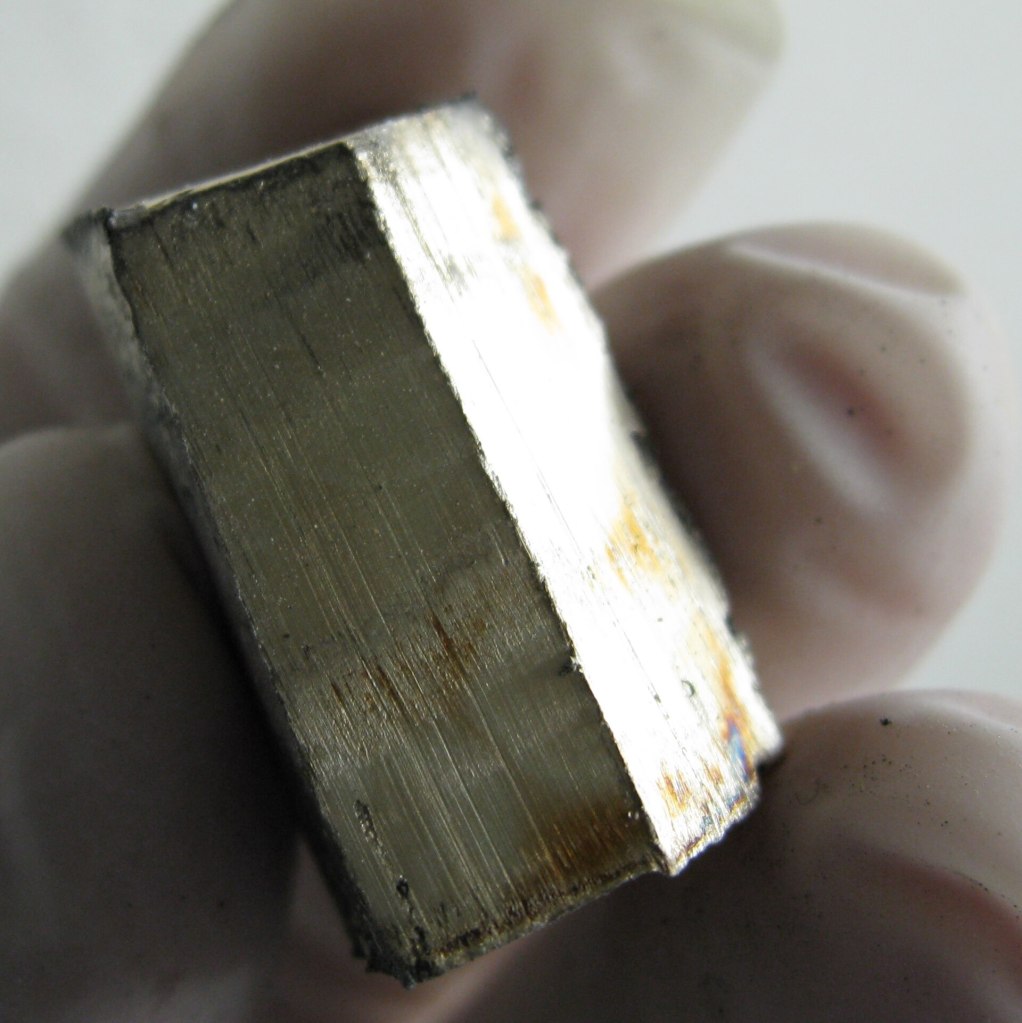
Lithium based batteries are commonly called lithium-ion batteries and here are the ones used by the most popular EVs.
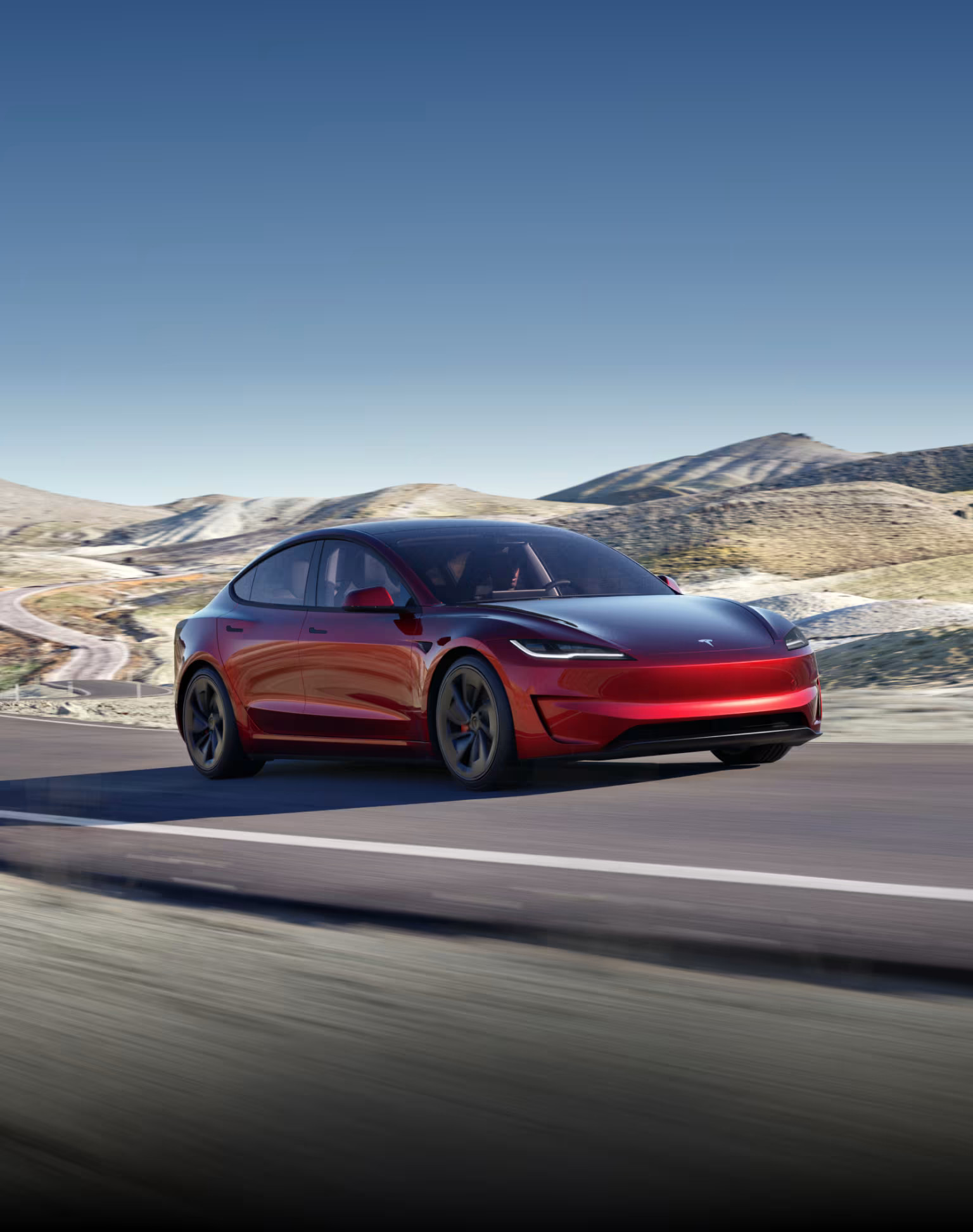
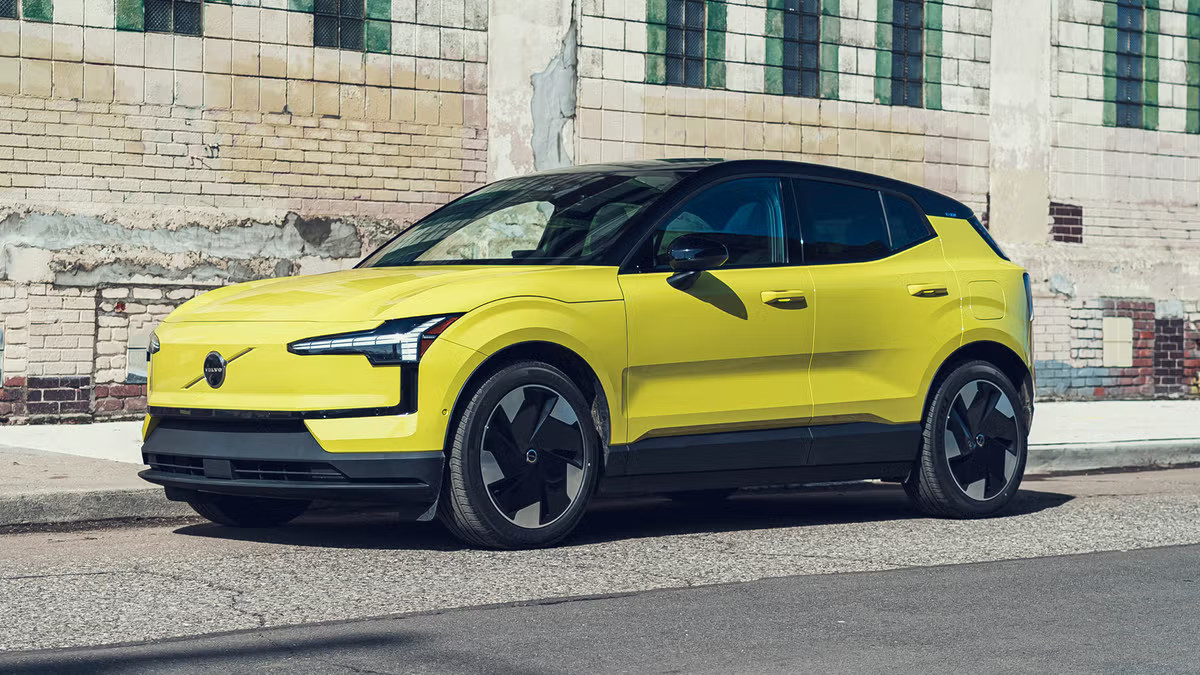
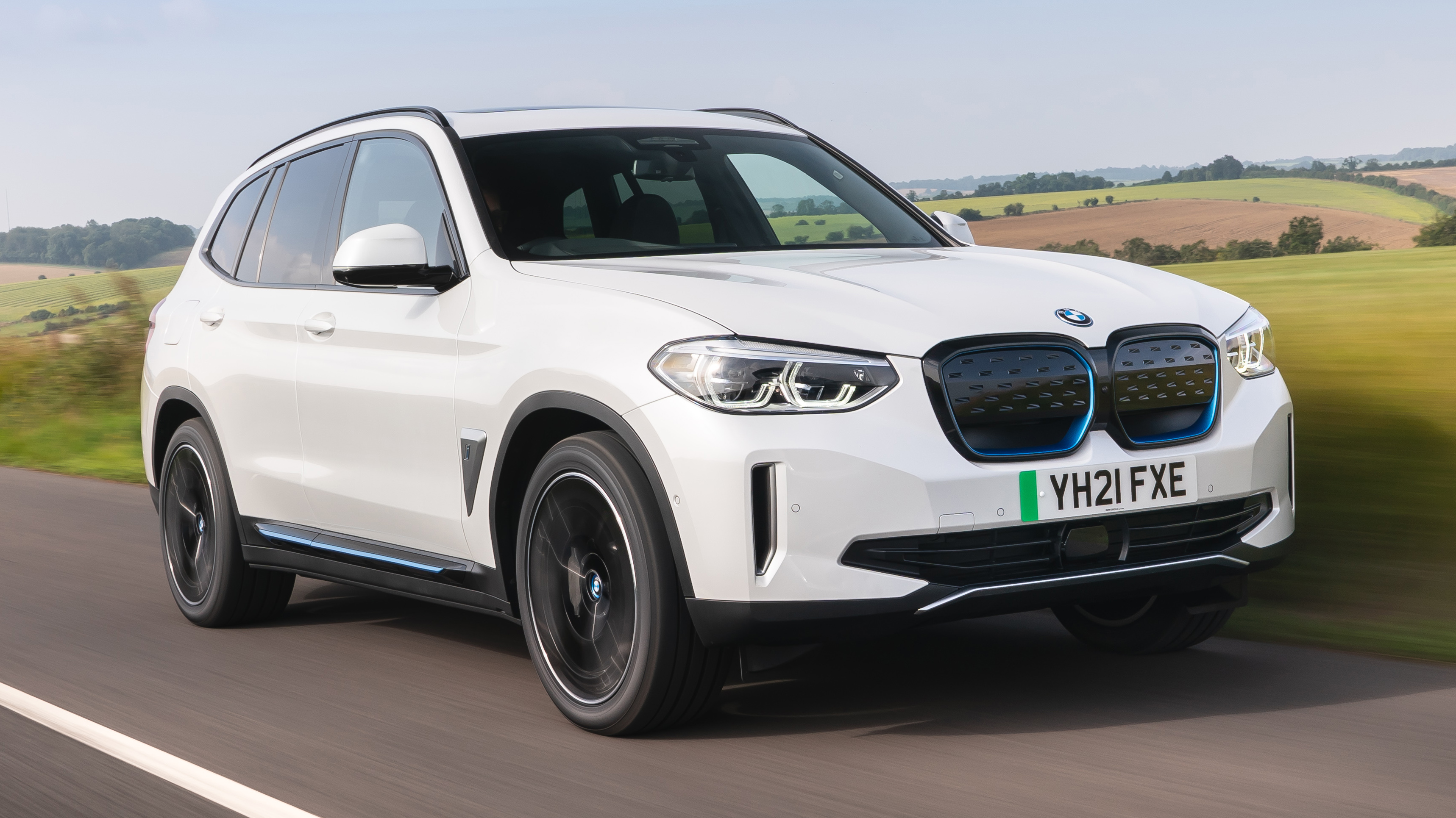
Lithium Nickel Manganese Cobalt (NMC or NCM) – Found in over 50% EVs globally, NMC batteries offer high energy density that translates into more power and range. Although they are capable of producing higher speeds and acceleration than other types, NMC batteries have some limitations – like, they cannot be charged to 100% (should be unplugged at 80%) and they have relatively shorter lifespan than other types.
Below are some popular models that use NMC batteries. Clockwise from left: Tesla Model 3 Performance, Volvo EX30 Performance, BMW iX3 and Polestar 2

Lithium Ferrous Phosphate (LFP) – About 40% of all EVs currently, are powered by LFP batteries. LFP batteries have quite a few advantages over their NMC counterparts. To begin with, they offer better longevity than NMC batteries which means they can offer more charge-discharge cycles before they become unusable. They can function normally in harsher climate conditions (-20 to 60 degree C) making them more weather resistant. The other factor that makes LFP batteries more favourable than NMC batteries is sourcing of materials. Questions have been raised in the past about the human exploitation involved in nickel and cobalt mining.
Here are a few popular models of EVs that use LFP batteries. Clockwise from left: Tesla Model Y RWD, MG4 Excite 51, Leapmotor C10 and BYD Atto3
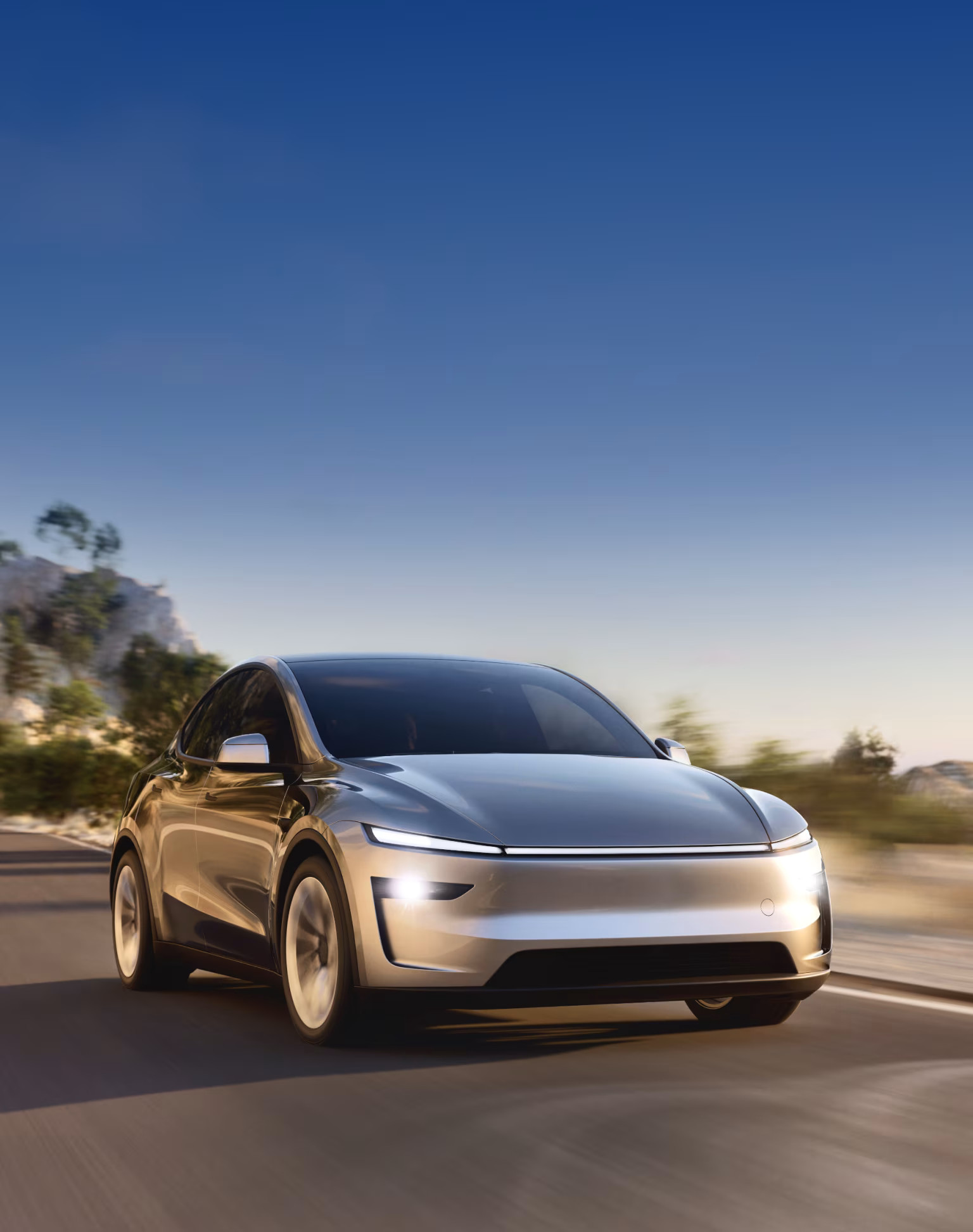


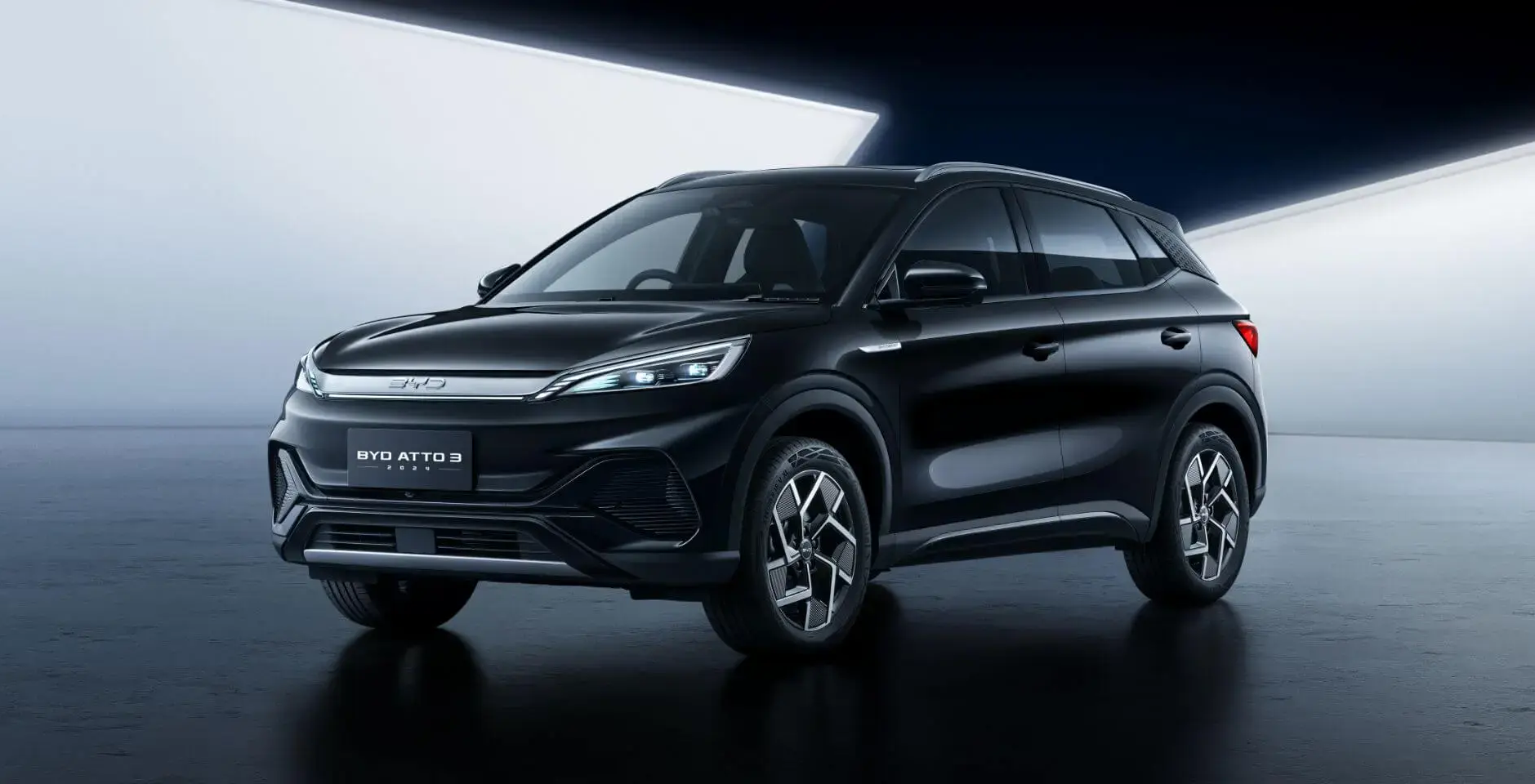
Lithium Nickel Cobalt Aluminium (NCA) – Found on around 7% EVs globally NCA batteries are similar to the NMC batteries when you look at their chemistry. They offer high energy density like NMC batteries which means more speed and power. However, high material costs, complex manufacturing process and relative instability of the battery chemistry are contributing factors to their limited uptake.
Below are three EVs that use NCA batteries including one that is discontinued. Clockwise from left: Tesla Model S Plaid, Tesla Model X, and Audi SQ8 e-tron


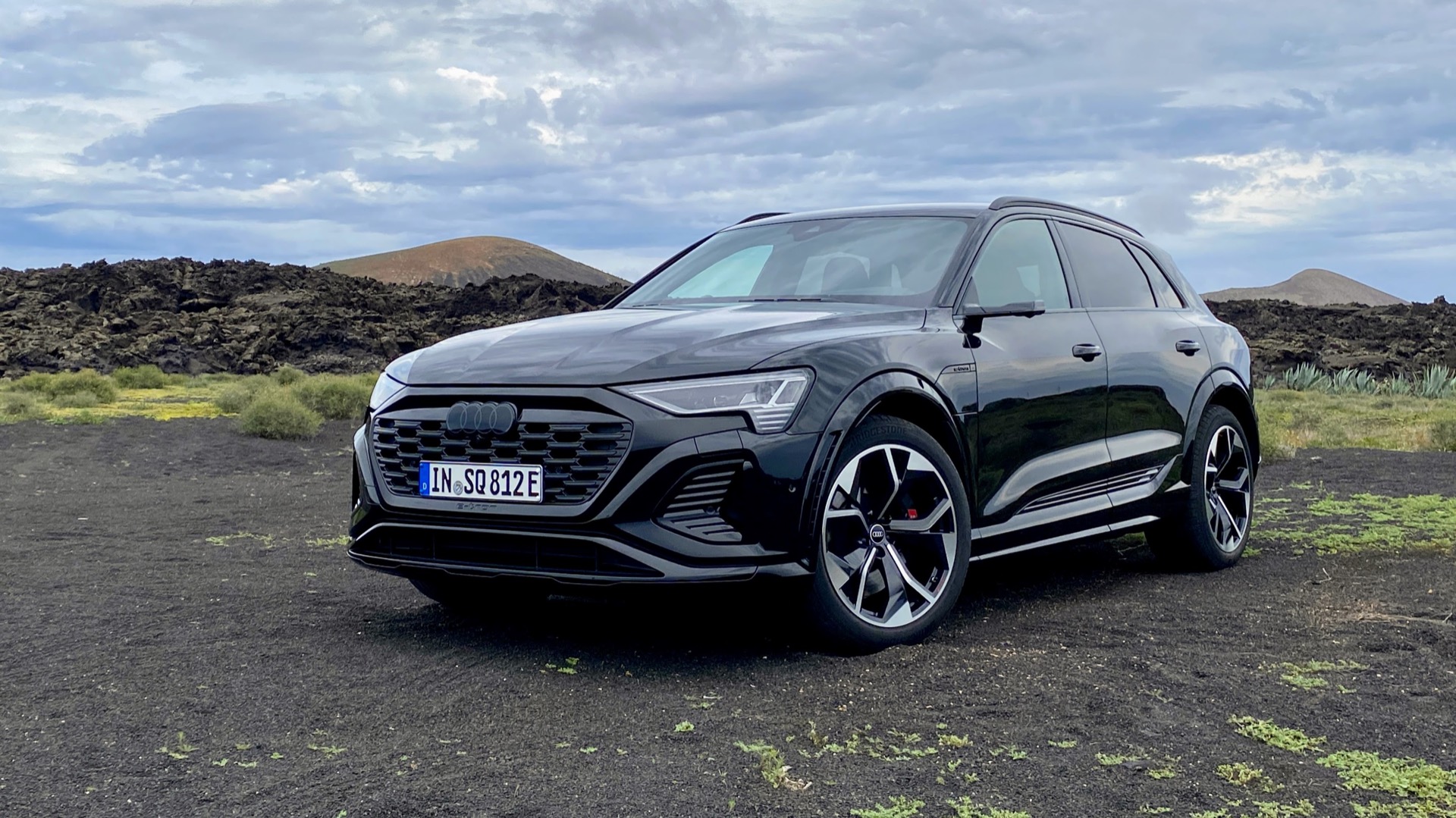
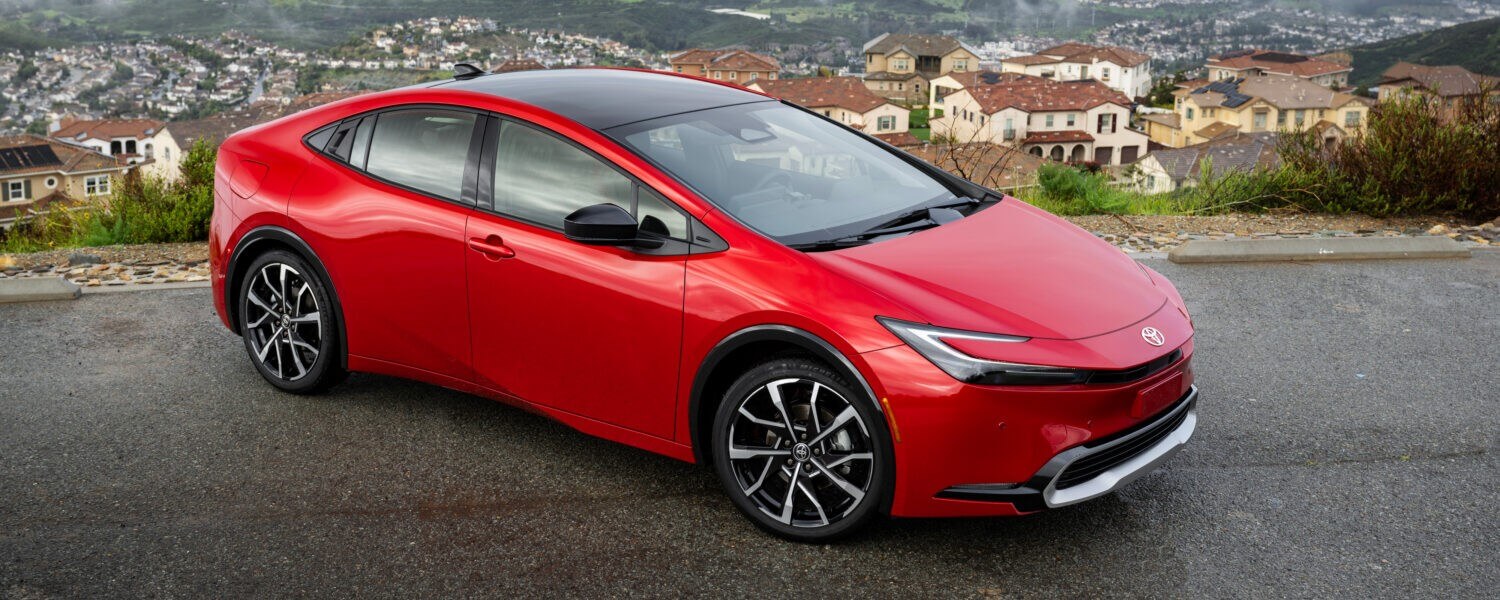
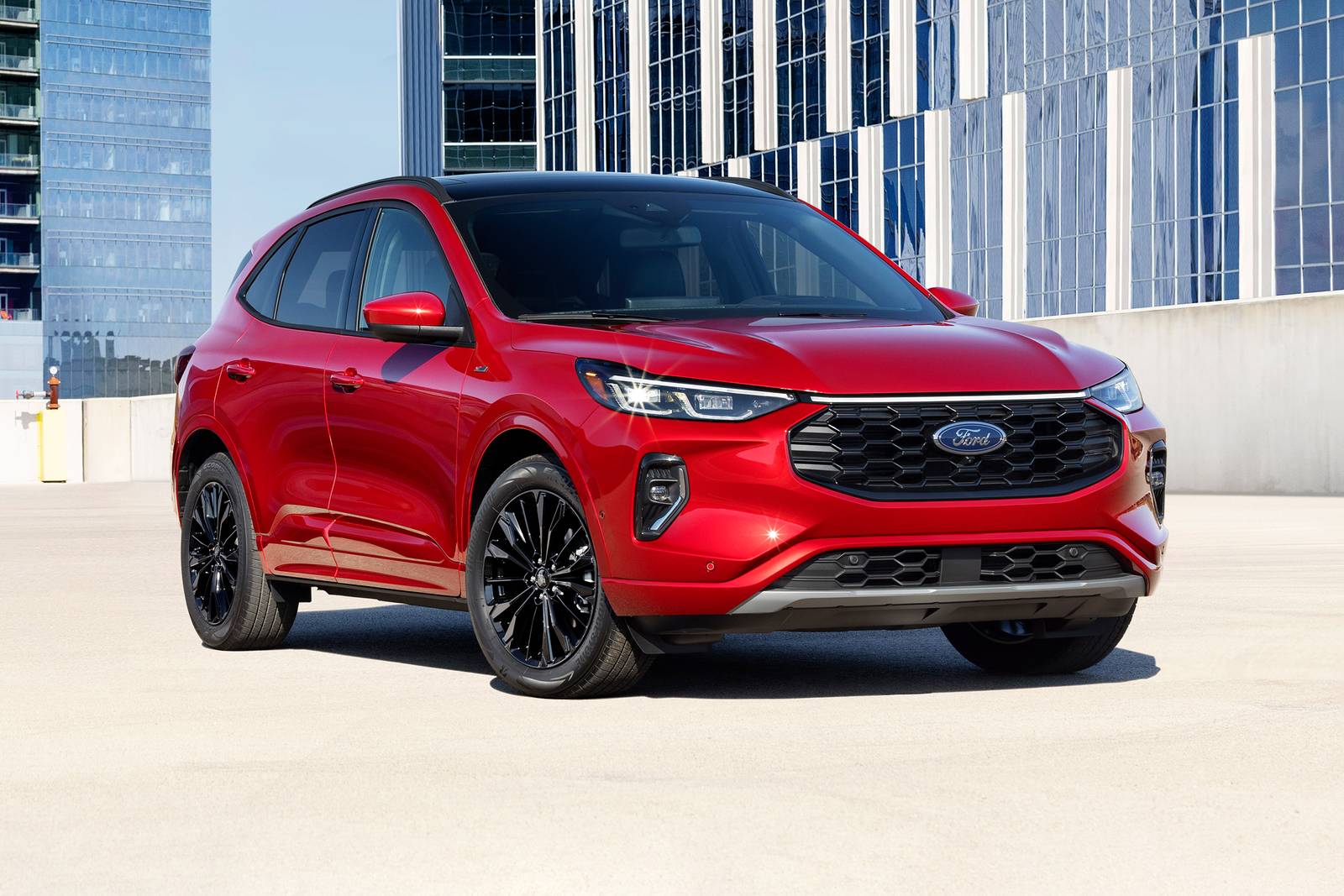
Nickel-metal hydride (NiMH) – NiMH has been the choice of battery for models like Toyota Prius and Ford Escape hybrid vehicles due to their high energy density and relatively long life span. In recent years however, most hybrid vehicles are switching to Lithium-ion batteries including those from Toyota and Ford.
Sodium-ion battery (SIB) – Battery manufacturers in Asia, Europe and the US have been researching on this type of battery in order to find an alternative to Lithium-ion batteries. Sodium is abundantly available and easy to extract unlike lithium, cobalt or nickel. Currently no cars use SIB batteries but reports suggests that companies have started investing in mass production facilities for this battery type.
Solid-state battery (SSB) – Auto giants like Toyota, BYD and Mercedes-Benz along with battery manufacturers like Panasonic and CATL are rapidly developing a battery type that would offer more range and much faster charge than the current alternatives. These batteries are meant to be safer due to the use of solid electrolytes. Toyota aims to start production as early as 2027 as per some reports.
HOW LIKELY WILL YOUR ELECTRIC VEHICLE CATCH FIRE?
The Data – As per a report published in 2024 by EV Firesafe NZ, there have been only 6 fires reported in New Zealand which at the time of the publication had 110,000 EVs on the road. The report also suggests that during the same period no EVs in New Zealand have caught fire while charging. A research funded by the Australian Department of Defence suggests worldwide 511 EVs had a fire incident in the same period. This is a small number considering there were around 40 million electric vehicles of some sort operating globally at that time. This report also suggests the cause for a fire has been unestablished in more than 50% of EV related fires and 22.5% were because of collision. The above data include e-bikes and e-scooters which are not mandated to have advanced safety features that cars or other large vehicles are required to have in order to make them road legal.
The Science – The source of energy for an electric car is its battery which is fairly large and sits under the car seats. In the very few reported cases of EV fires, it is the battery that has led to the fire. Three known factors can be attributed to a battery fire, namely – thermal runaway, collision and, battery system design.
- Thermal runaway – a thermal runaway occurs when a chemical reaction takes place in a battery cell due to some external factors, leading to a fire. EV battery technology is evolving by the day with manufacturers introducing more stable chemical compositions. As I have mentioned earlier, NMC and LFP are the most common battery types found currently. Out of the two, LFP is known to have relatively more stable chemistry, as per this article from Nissan. Modern EVs also, come equipped with sophisticated thermal management systems (TMS). This ensures the battery stays in an optimum temperature all the time and provide uninterrupted power. Progress is being made in SIB and SSB types which offer relatively more stable battery chemistry.
- Collision – Extensive damage to the battery and electrical systems in an event of a major accident can cause a fire. However, with the advancement of automotive technology, specially in regards with safety, cars today cannot roll out of a factory without certain systems that come as standard. A high speed collision avoidance system is one of those that would ensure a car automatically brakes if it detects any obstacle from a stationary or moving object. This drastically reduces the likelihood of an EV (manufactured post 2017) being in a major collision. Such collision avoidance systems have also known to have failed.
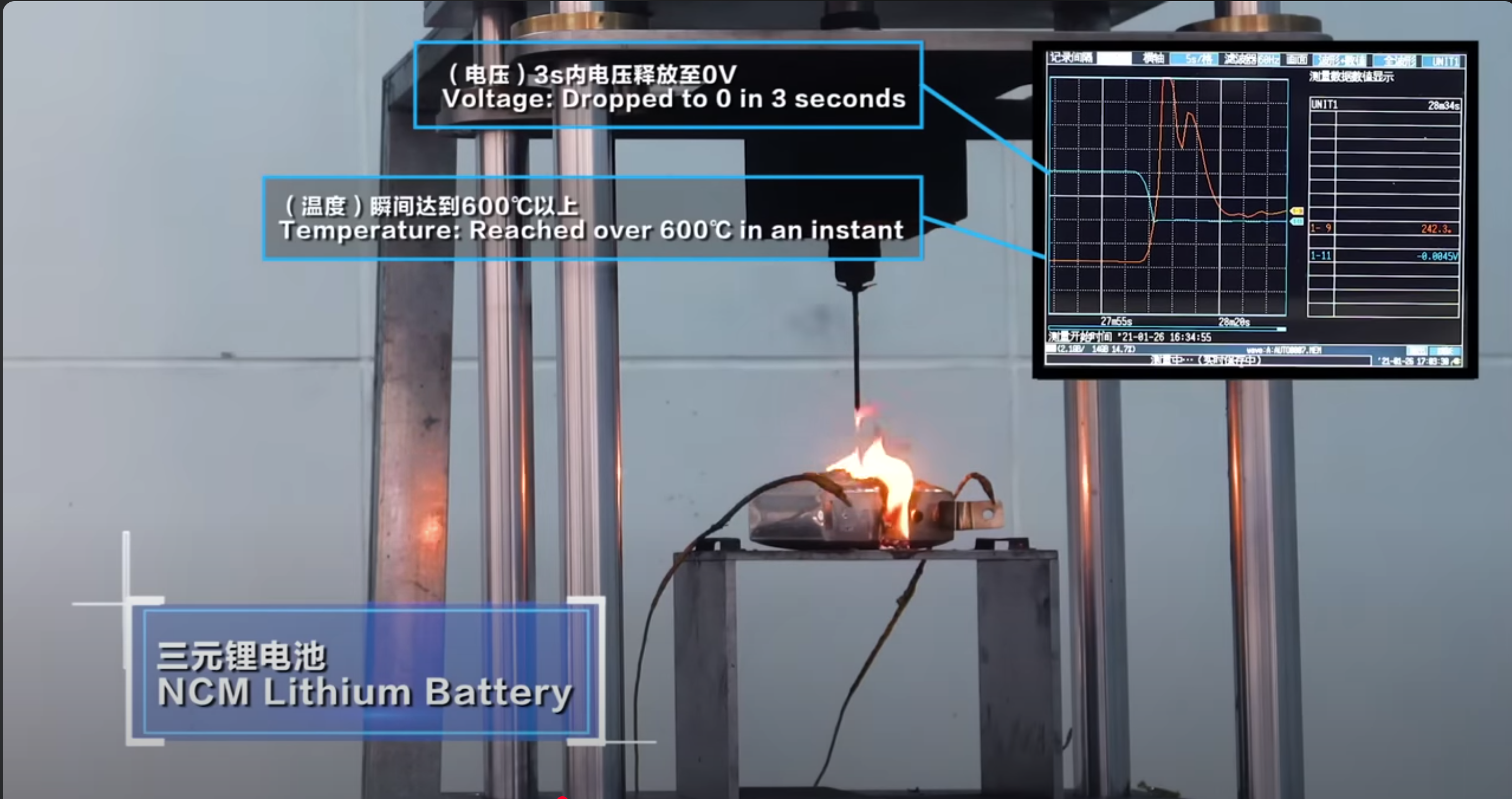
- Design – Major progress has been made in battery design and placement. In 2021, BYD demonstrated how their proprietary Blade Battery, a form of LFP battery with innovative vertical aluminium honeycomb structure, stayed stable and continued to produce energy after being subjected to a nail penetration test. A video of this test is available on YouTube. Below are two video grabs showing the NCM (or NMC) battery catching fire and the Blade battery (LFP) remaining unreactive with a nail piercing through its body.

AN EV IS JUST ANOTHER ELECTRICAL GADGET
Like with any electrical appliance whether its a microwave oven or a mobile phone, users need to follow some best practices to ensure safe use of electric vehicles. EVs are not exempt from these basic guidelines. Although, they are technologically highly sophisticated and are designed to be totally ‘fool proof’, it is recommended that one would strictly adhere to the charging instructions provided by the manufacturer, whether the car is plugged in at home or at a public charger. As a best practice, it is also highly recommended that only company manufactured or recommended third party accessories like portable charging cable etc should be used while charging an EV.
To summarise, modern EVs are safer than most of their ICE counterparts as per numerous reports. New Zealand is steadily replacing its ICE fleet with EVs and 2025 looking better than the last year already. Here are some stats.
As a parting note – here is a refresher for ‘responsible driving’ from the New Zealand Transport Agency – Waka Kotahi which I think is good tool to make sure you don’t take the road for granted just because you have been there too many times. Be safe, be courteous and be responsible when you are out there.
Disclaimer: This report is based on the personal assumptions of the author, taking into account data available publicly from online sources. The author does not take any responsibility for the accuracy or authenticity of the data that have been attributed to their respective owners.
You can contact the author of this post – Indranil Bhattacharya on reachout@kilowattchronicles.blog


Leave a comment