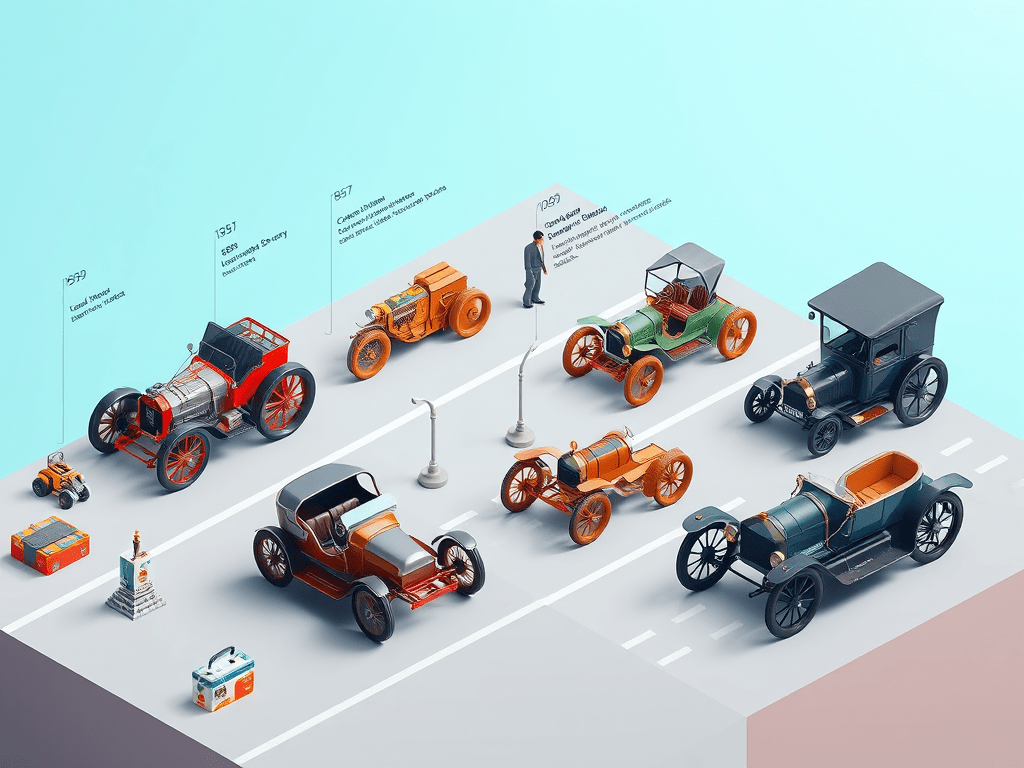
A contemporary history of the electrification of private passenger cars
I will take you through a chronological journey in the development of what we today call an electric car that runs fully on a battery or has a conventional petrol or a diesel engine that is assisted by a battery. In other words, the battery plays a key role in providing energy to the vehicle.
1859 (France) – Invention of the lead acid battery
A battery is the most crucial component any electric car. The lead acid battery was the first type of rechargeable battery that was invented by a French physicist Gaston Plante in 1859.
1881 (France) – First passenger electric vehicle tested
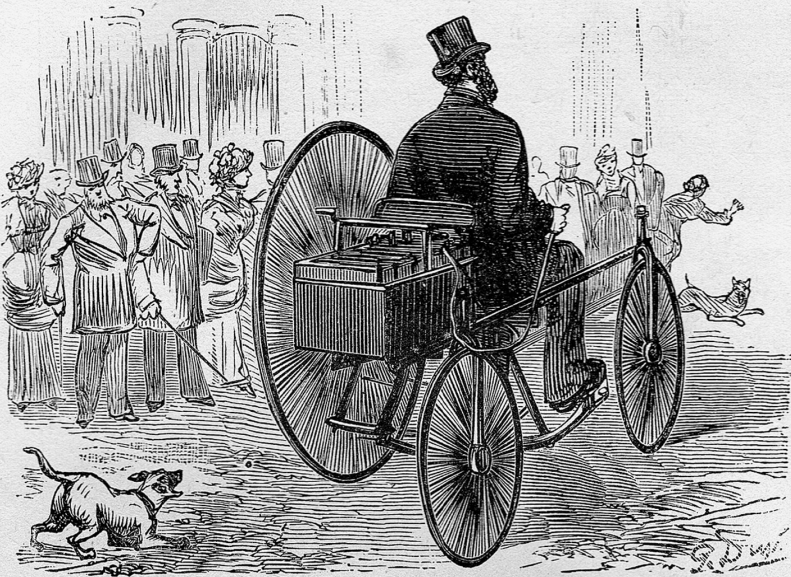
Gustave Trouve tested an electric vehicle with passengers along a Paris street and also created an electric tricycle for which unfortunately he was unable to create a patent at that time.
1882 (England) – Electrification of London metro rail
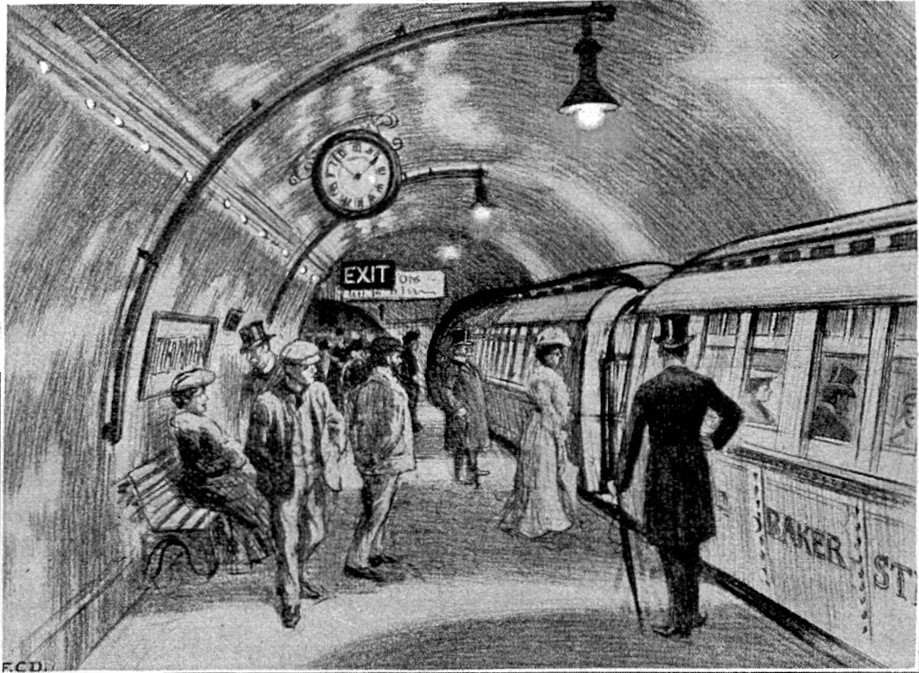
English inventor Thomas Parker has been associated with his contribution to the field in many ways. He is known to have improved the lead acid battery and his company was behind the electrification of metro trains and trams in England.
1899 (Belgium) – Electric vehicle crosses 100km/hr speed
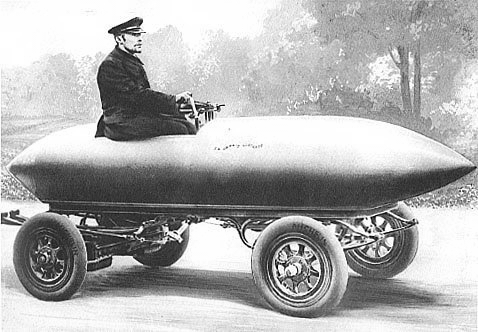
Belgian race car driver Camille Jenatzy achieves 105.88km/h speed in his rocket shaped car called the La Jamais Contente (meaning ‘never contended’) on April 29, 1899.
1908 (USA) – Ford Model T is born
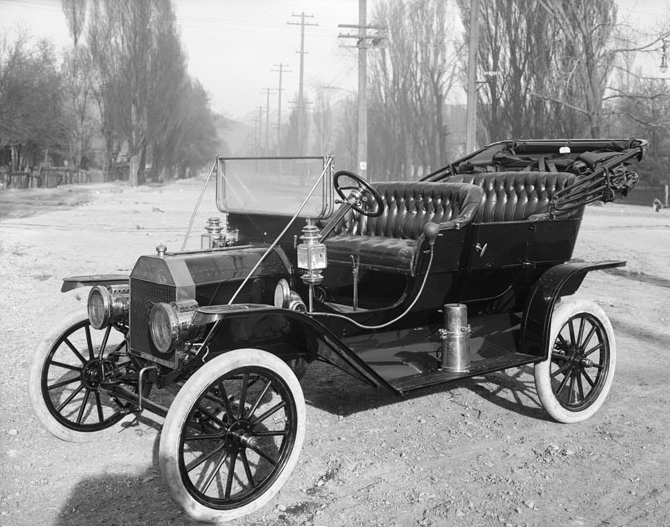
This iconic petrol car along with other internal combustion engines would later be a main reason for the slowing down of electric car development. By 1916, Ford had sold almost half a million of these and by 1918 half of all cars in the US were Model Ts shortly after which Henry Ford retired as the President of the company.
1912 (USA) – Electric self-starter invented

Before American inventor Charles Kettering invented the electric starting motor, petrol cars had to be hand cranked which could be a tedious and sometimes risky thing to do to start your car. This invention made petrol cars more attractive to prospective buyers.
1914 (USA) – Electric vehicle crosses 100km range
Beardsley Electric Company produced 661 electric cars between 1914 and 1917 that had a cruising range of 115km and were sold for US$ 1,285 which is roughly the same value as US$ 40,000 today.

1924 (USA) – GE successfully runs a battery swap service
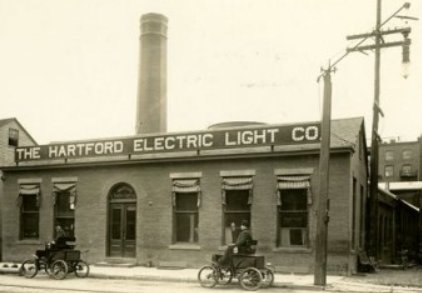
Hartford Electric Light Company and the General Vehicle Company, as subsidiary of GE teamed up in 1910 to offer electric cars and batteries separately. The car owner would have to buy a battery subscription pack that would allow them to swap batteries when they were depleted and pay per mile for each battery pack. By 1924 this service had soled more than 6 million miles.
1961 (USA) – Electric cars go into a state of limbo
With improved road infrastructure and petrol available at low prices American saw the value of driving petrol cars that would go further and cost less to buy and operate. This lead to a negative impact on the development of electric vehicles. Many electric car manufacturers had to shut down their factories due to falling sales.
1990 (USA) – CARB mandate and the simultaneous rise of SUVs
This timeline would be incomplete without making a note about the California Air Resources Board (CARB) and its actions 1990 onwards. Though the board pushed for lower emission vehicles in California forcing automakers to invest in the production of EVs the outcome was far from what was desired. Early 1990’s saw the launch of a range of electric vehicles like the GM EV1, the Ford Ranger EV, the Toyota RAV4 EV and also Nissan’s Altra which was the first electric vehicle to use lithium batteries.
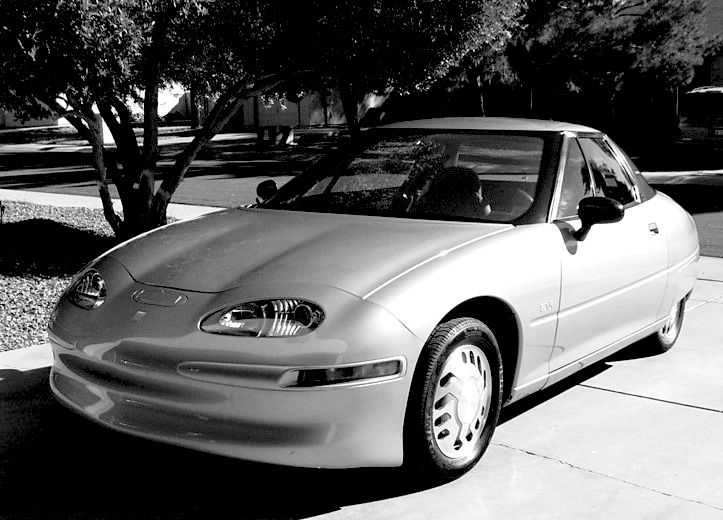
Interestingly, all major automakers were accused of playing a double game – on one hand they were giving the impression that they were actively involved in the production of EVs but a the same time they were accused of deliberately downplaying their EVs to give an impression that the demand was not there. Companies like GM even went to extent of taking back EVs that were leased to customers without any option of purchasing them and many companies even destroyed them. There is even a documentary made on this.
Simultaneously, American consumers started moving toward fuel guzzling SUVs which manufacturers were happy to sell as they offered higher profit margins.
1995 (Japan) – The Birth of the Prius Hybrid
After showcasing the Prius at the Tokyo Motor Show in 1995, Toyota started production of the first generation Prius hybrid car (NHW10) a couple of years later. This was the first mass produced petrol hybrid car ever built and was equipped with a 57-hp 1.5 litre petrol engine, a 40-hp electric motor and a powerful Nickel-metal hydride (Ni-MH) battery pack. The success of the Prius or the idea of hybridisation of the power source of a vehicle has played a role in making electric vehicles more viable and that is the case still today. Between 1997 and 2007, Toyota sold well over a million first generation and second generation Priuses. Interestingly the word ‘Prius’ in Latin means ‘first’ or ‘original’.

2003 (USA) – Tesla is conceived
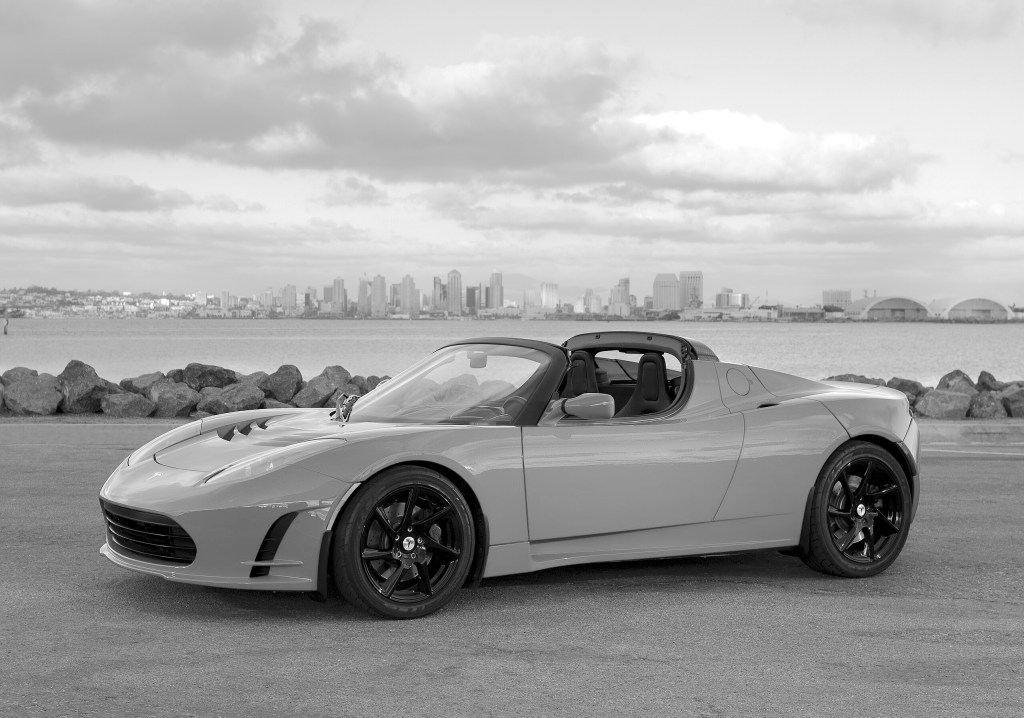
Entrepreneur Martin Eberhard and engineer Marc Tarpenning after being inspired by a EV concept car called the ‘tzero’ decided to form Tesla Motors. With a US$ 7.5 million funding from South African born Elon Musk the Tesla Roadster started deliveries from 2008. The car revived interest in electrical vehicles worldwide and 2450 vehicles were sold in 30 countries by the end of 2012. The Roadster fitted with a 53kWh lithium-ion battery offered a range of 393km and could do 0-100km/h in 3.7 seconds. The Roadster’s electric motor could produce up to 288 horsepower and 400Nm of torque.
2009 (Japan) – Nissan turns a ‘leaf’
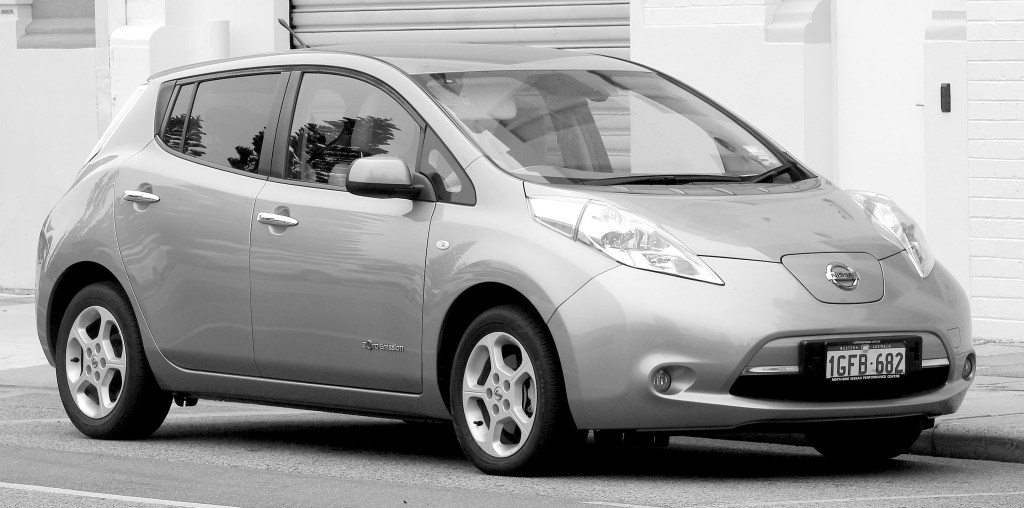
Taking a leaf out of Tesla’s moderate success with the Roadster, Nissan unveiled it Leaf electric vehicle in 2009. After starting production the following year this EV was poised to become the world’s first mass market electric vehicle. It was initially launched with a 110 horsepower lithium-ion battery offering a range of 160km. The Leaf was based on Nissan’s Cube and Tiida hatchbacks. The Leaf held the position of best-selling and most sold EV for more than a decade until that record was broken by the Tesla Model 3. By 2023, Nissan had cumulatively sold more than one million Leafs which is not a lot by today’s standards but it was instrumental in making EVs affordable and adaptable to the general car buyer and made a transition from regular petrol or diesel cars look easy.
2009 (USA) – Tesla’s decade
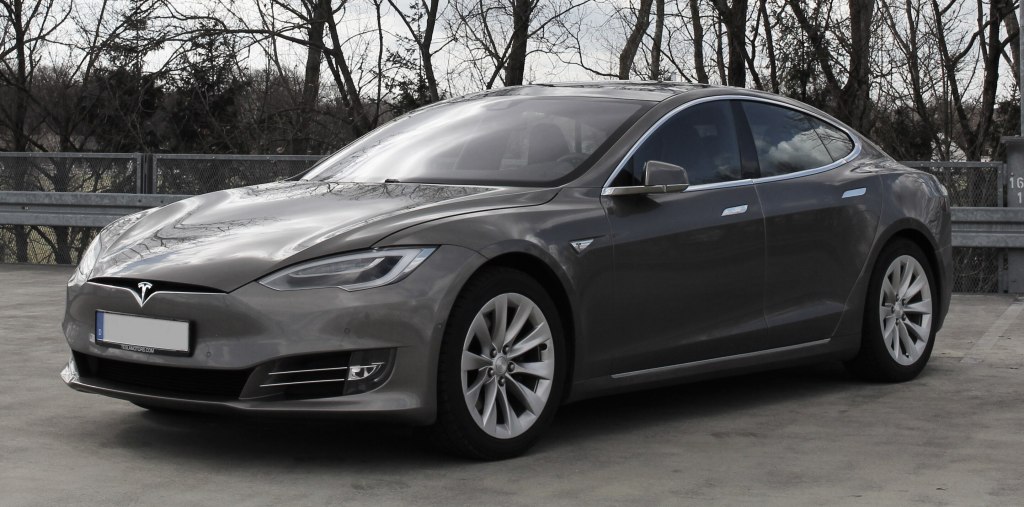
After revealing the Model S in California, Tesla agreed to sign a partnership with Toyota the would enable the company to purchase a significant portion of a Toyota factory in Fremont and also receive funding from Toyota to the tune of US$ 50 million by offering a 2.5% stake in the company. After production started in 2012, with the Model S, Tesla demonstrated that EVs could compete with premiums ICE marquees like Aston Martin and Jaguar when it comes to styling and performance. The Model S that was initially offered could produce up to 416 horsepower and 601 Nm of torque. It came with a 85kWh battery offering a 426km range. Tesla sold close to 10,000 within a year and it is still in production today after 13 years.

Between 2015 and 2020, Tesla launched some of the most successful electric vehicles of all time starting with the Model X, then the Model 3 followed by the Model Y which for a few years beat the Toyota Corolla as the best selling car of all time globally. In 2021, the Model 3 became the first EV to pass global sales of 1 million and took over Nissan Leaf’s position as the best selling EV of all time. Following the success of the Model 3, the Model Y was launched in 2020. By 2023, 2.16 million Model Ys were delivered worldwide with 1.2 million accounting for that year alone. It was the first time an electric vehicle was ahead of an ICE counterpart, namely the Toyota Corolla.
2021 (China) – BYD and China’s mass EV adoption
Electric vehicle manufacturing in China is taking place in scale as no one has seen before, except maybe the Chinese themselves who have witnessed development in other industries taking place in a similar place over the last few decades. BYD Auto (part of the BYD group founded in 1995) was established in 2003 produces some of the best selling EVs worldwide including the BYD Atto 3 (or the Yuan Plus in China and South America) which has sold around half a million since its introduction in 2021.
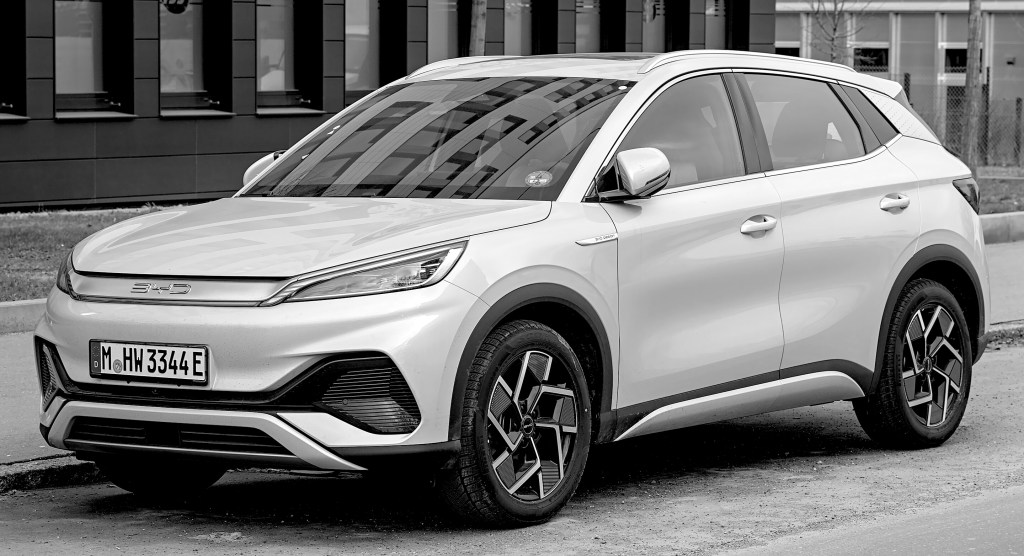
Their story started modestly with the showcasing of an electric vehicle called the BYD e6 at the Detroit Motor Show in 2009. The following year they signed a 50:50 joint venture with the Daimler AG (now the Mercedes Benz Group) to focus on research in the field of new energy vehicles. As of 2024 this JV was withdrawn. It is worth noting that Wall Street investment firm Berkshire Hathaway (owned by Warren Buffett) purchased 225 million shares of BYD back in 2008 for a price of US$ 230 million.
While BYD has become an industry leader in China and has strong global aspirations it is noteworthy that there are quite a few other Chinese EV brands that are creating impressions worldwide. These include some well know Chinese mobile phone manufacturers like Xiaomi, Huawei along with Geely, SAIC and GWM. As of 2023, the electric vehicle industry in China account for 58% of global production of EVs and produced close to 10 million cars.
2025 (France) – One in every four cars are electric
According to a report published by the International Energy Agency (IEA) published in 2025 every fourth car today is some sort of an electric vehicle and they expect this number to be almost every second car in 2030. While EVs are widely being adopted worldwide charging infrastructure and affordability still poses a challenge to EVs when you put them side by side with ICE cars especially hybrids which offer excellent efficiency and are less dearer than most EVs available in the market.
Disclaimer: This article is based on data available publicly from online sources. The author does not take any responsibility for the accuracy or authenticity of the data that have been attributed to their respective owners.
You can contact the author of this post – Indranil Bhattacharya on reachout@kilowattchronicles.blog


Leave a comment